Getting around Japan for the first time can feel intimidating between navigating bullet trains, massive metro stations and what feels like a million ticket options. This Japan transportation guide is for anyone who’s planning their first trip to Japan and wants to avoid spiraling before even booking a flight to Japan.
During my two-week Japan itinerary, I relied heavily on the Shinkansen, local metros and some trial and error to move between cities like Tokyo, Kyoto, Osaka and Hiroshima. This guide tells you exactly how to get around Japan as a first-timer — from riding the Shinkansen and booking tickets to using Google Maps and avoiding common transportation mistakes that can waste your time and energy.
TL;DR ON THIS JAPAN TRANSPORTATION GUIDE:
- Use the Shinkansen for city-to-city travel
- Skip the JR Pass unless you’re moving constantly
- Use Google Maps for metro routes
- Get a Suica card and an eSIM on day one
Table of Contents
- Riding the Shinkansen to Get Around Japan
- Where to Buy Shinkansen Tickets
- When Should You Book Shinkansen Tickets?
- What Are the Different Shinkansen Train Types?
- What Shinkansen Lines Will You Actually Use?
- Hayatoku Discounted Fares (Worth Knowing About)
- Do You Need an Account to Book Shinkansen Tickets?
- Is the JR Pass Worth Buying?
- Japan Metro Tips for First-Time Travelers
- How to Use Google Maps to Get Around Japan
- Get an eSIM Before You Go
- Follow the Locals on the Metro
- Don’t Underestimate Journey Times
- Get a Suica Card (Immediately)
- Getting Around Japan Is Easier Than It Looks
Riding the Shinkansen to Get Around Japan
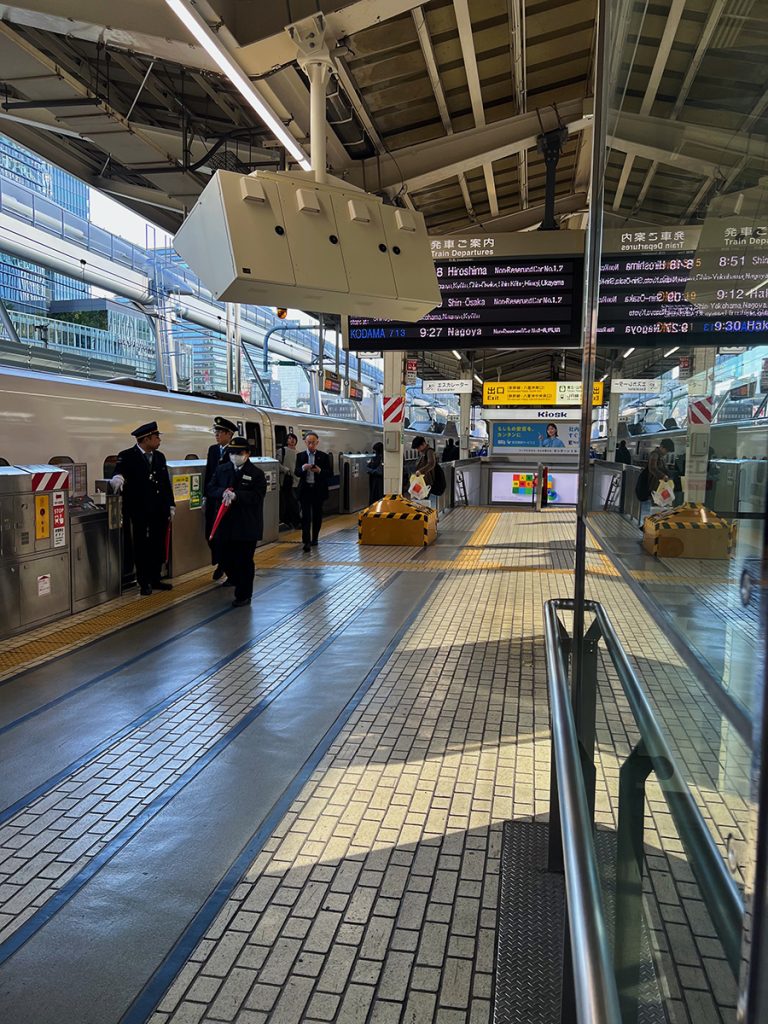
The Shinkansen, or bullet train, is one of the fastest trains in the world and the best way to travel between cities and regions throughout Japan. Booking tickets, navigating the huge train stations, finding the right platform and boarding your train on time can be overwhelming. But don’t worry — ’cause as always, that’s why I’m here! I promise it’s far more straightforward than it looks.
I rode the Shinkansen multiple times during my two weeks in Japan, including:
- Tokyo → Kyoto (one way)
- Osaka → Hiroshima (round trip)
- Osaka → Tokyo (one way)
I was a bit overwhelmed the first time I walked into Tokyo Station to ride the Shinkansen to Kyoto. There’s a ton of people everywhere, it’s loud and there are an endless amount of signs pointing in all kinds of directions. Time, attention to detail and calmness are your best friends here. These quick tips helped me get through the initial anxiety of finding our bullet train:
- Arrive at least 30 minutes before your train departure time: This allows you to find the screen with all the trains, destinations, platform numbers and departure times, to see where you should head. Everything’s labeled in English and Japanese — so no worries there.
- Book your tickets ahead of time: Not a requirement, but it made me feel better prepared to arrive at the station already knowing what train to look for.
- Download your ticket to your phone: Look for the QR code gates at the station. Make sure to bring up the correct ticket before tapping (so it doesn’t tap your Suica card for example).
- Buy snacks before boarding: You’re gonna want snacks on the train! The earlier you get there, the more time for getting snacks. Bento boxes can be a gamble (I got a not-so-delicious one), but you have a lot of options to pick from.
- Be patient: It’s going to be very crowded and you’ll probably accidentally bump into people or viceversa. Just be aware of your surroundings y no estorbes tanto.
And I felt more and more confident with each new trip throughout the two weeks. Once you survive it once, it really just clicks.
Where to Buy Shinkansen Tickets
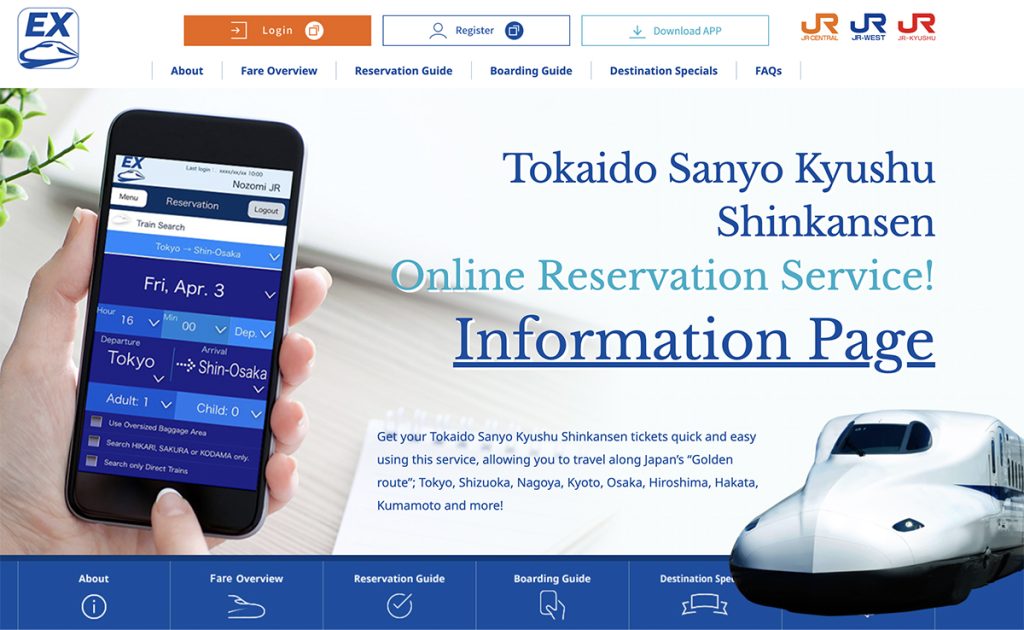
You can buy bullet train tickets from several platforms, including SmartEx (the official Shinkansen ticket site) and Klook. I personally prefer buying directly from official websites, and SmartEx worked perfectly for my entire trip. You can also buy tickets in person at Shinkansen stations.
When Should You Book Shinkansen Tickets?
I’m a book-ahead girlie. I’m also an anxious girlie. It soothes my overactive brain to know that I don’t have to worry about catching a train or booking on the spot day of — which is totally doable if you’re more spontaneous. Me? I’mma plan my shit.
I booked most of my Shinkansen tickets two weeks in advance, and you can buy tickets up to 30 days before your travel date. There are often discounted fares available on select trains and routes when booking ahead. Look for a blue square labeled “Discount” when browsing ticket options on SmartEx. Some discounts (like Hayatoku fares) apply when booking 21, 7, 3 or 1 day in advance — but availability is limited.
What Are the Different Shinkansen Train Types?
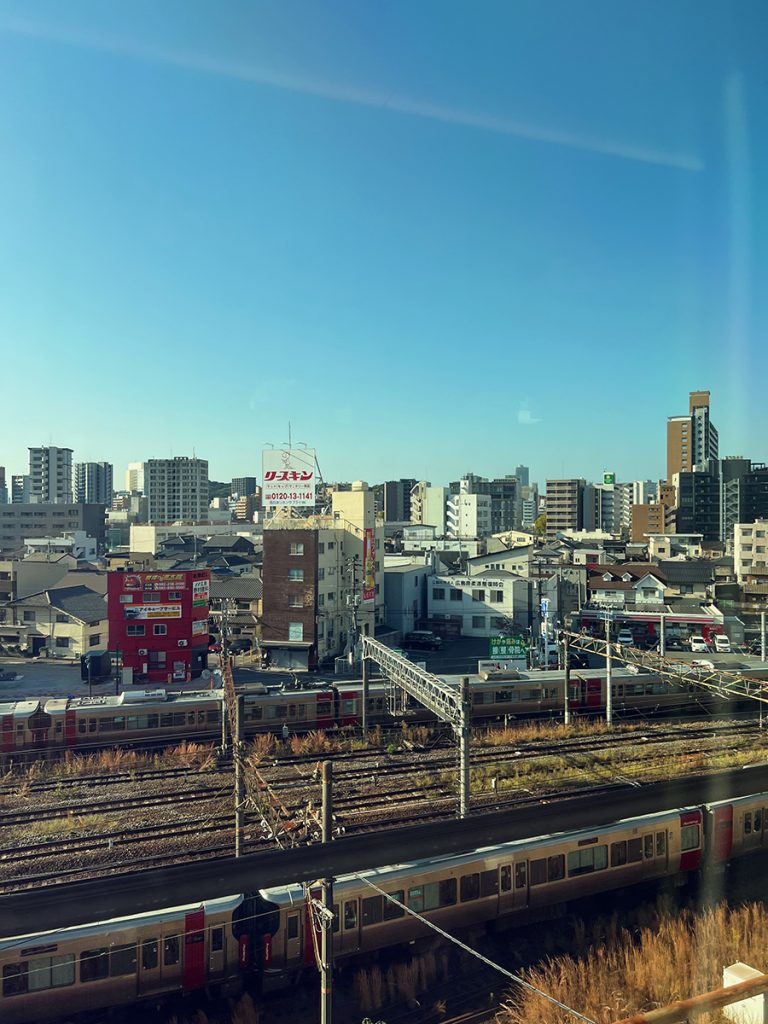
Shinkansen trains are classified by their speed and number of stops. If you’re traveling along the traditional Golden Route (Tokyo, Kyoto and Osaka), you’ll see these three train categories:
- Nozomi — fastest option with the fewest stops
- Hikari — slightly slower with a few stops
- Kodama — slowest, stops at every station
We exclusively used the Nozomi trains for all of our trips, and it worked out perfectly. For reference, the bullet train from Osaka to Kyoto takes a whopping 12 minutes! It’s wild.
What Shinkansen Lines Will You Actually Use?
If you’re traveling between Tokyo, Kyoto, Osaka and Hiroshima, you’ll mostly use the following lines:
- Tōkaidō Line (Tokyo ↔ Osaka)
- San’yō Line (Osaka ↔ Hiroshima)
As these are some of the most visited cities, you likely won’t have to worry about the other lines. You don’t need to memorize train lines when booking train tickets, but rather you’ll just search by the departure, destination, date and time. The system handles the rest.
Hayatoku Discounted Fares (Worth Knowing About)
Hayatoku fares offer discounts when booking Shinkansen tickets ahead, but they apply only to certain routes and trains and have limited availability. Look for the “discount” square next to the “select” button after you input your specific date and trip details into the search on SmartEx.
For example:
- Hayatoku 21-day discounts apply for the Nozomi train on the Tōkaidō and San’yō lines (Tōkaidō connects Tokyo to Osaka and Sanyo connects Osaka to Hakata)
- Hayatoku 7-day discounts apply for Nozomi, Hikari, Kodama, Mizuho, Sakura and Tsubame trains, but only on the Tōkaidō, San’yō, and Kyushu Shinkansen lines.
If you’re booking early, it’s worth keeping an eye out. But don’t stress if you miss them. Being on that train is what matters.
Do You Need an Account to Book Shinkansen Tickets?
Yes, create and verify your membership to buy Shinkansen tickets if you’re using SmartEx. There’s no cost to register for a membership. You’ll need to provide your personal information, including your passport and the credit card information. Make sure everything is correct and that it matches your documents, or you may run into issues during booking.
Is the JR Pass Worth Buying?
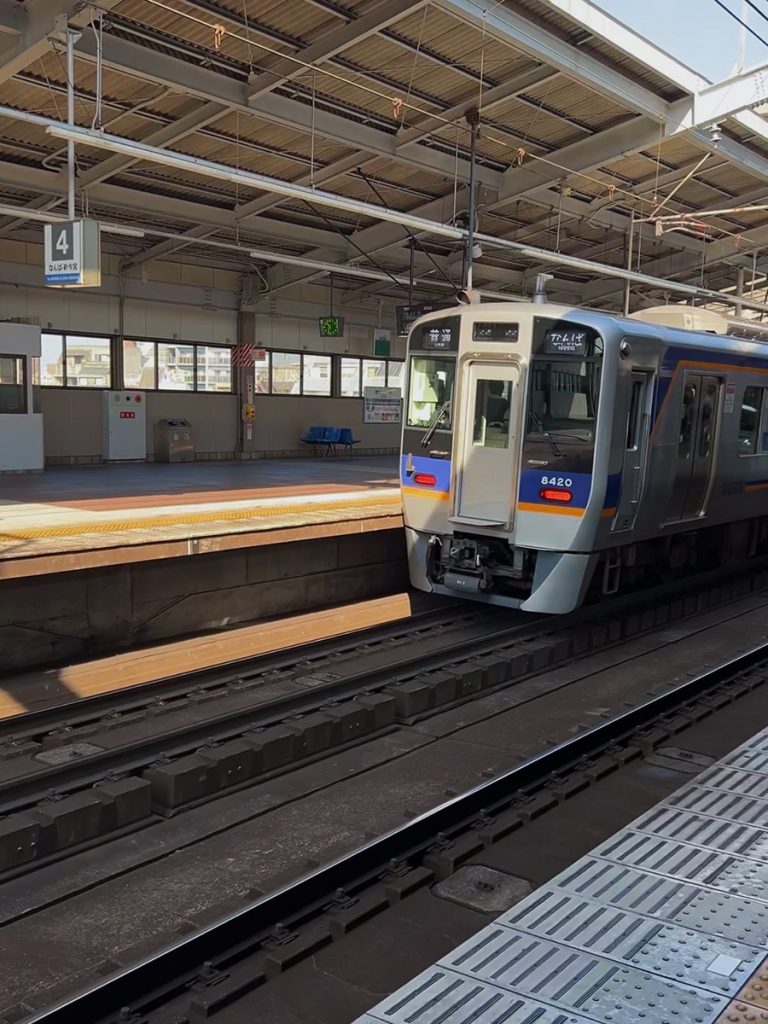
The Japan Rail Pass (JR Pass) is a tourist-exclusive physical train pass that offers unlimited train travel for 7, 14 or 21 days. In theory, this sounds great. But it doesn’t automatically make sense for every trip.
JR Pass Prices (Ordinary Class)
- 7 days: ¥50,000 (about $335 USD)
- 14 days: ¥80,000 (about $535 USD)
- 21 days: ¥100,000 (about $670 USD)
Because prices increased recently, you now need to travel a lot by Shinkansen for the JR Pass to be worth it. For my 14-day Japan trip, buying individual tickets along the Golden Route was cheaper than purchasing a JR Pass.
When a JR Pass might make sense:
- You’re traveling across multiple regions
- You’re hopping from city to city every few days
- You plan to take long-distance trains frequently
Luckily, you can use the Japan Rail Pass calculator to determine whether buying it makes sense for your trip.
Japan Metro Tips for First-Time Travelers
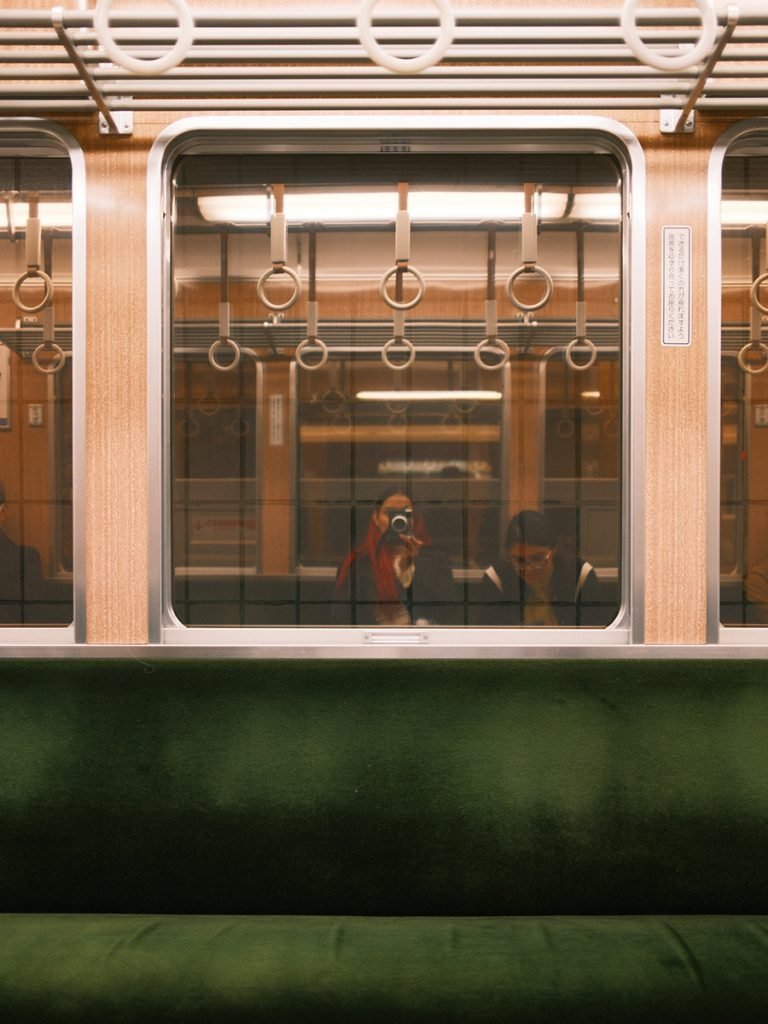
You might be wondering how to get around Japan before you even start planning a trip. Japan’s transit systems are chef’s kiss on timing, reliability and the amount of options. But with so many options and huge stations to navigate through, it can seem daunting for people traveling in Japan for the first time.
Don’t let that intimidate you. Everything is labeled in Japanese and English and the overhead announcements inside the trains are bilingual as well.
How to Use Google Maps to Get Around Japan
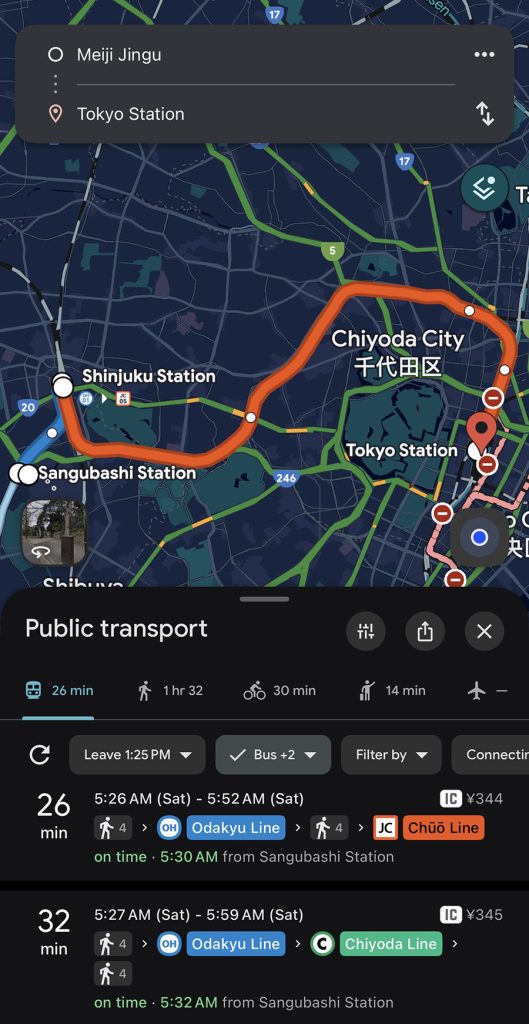
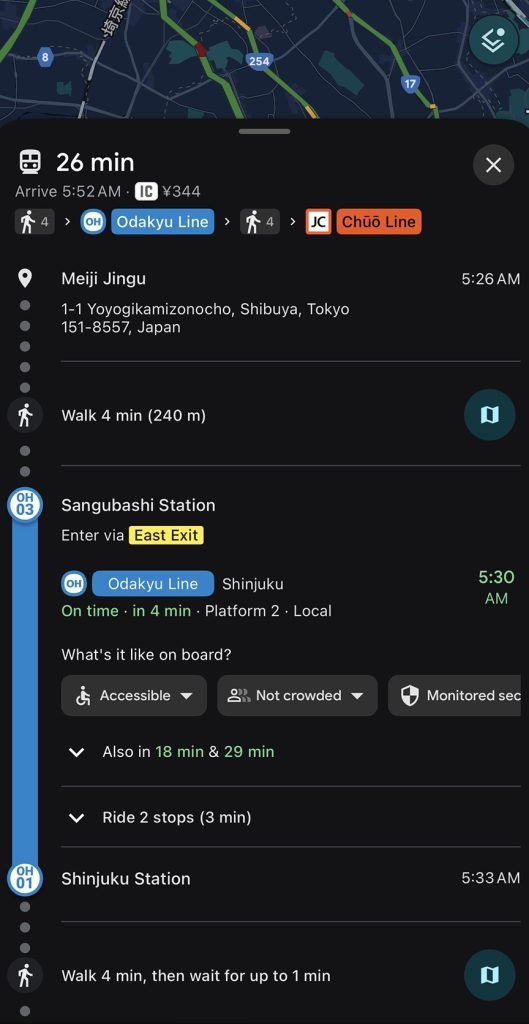
Google Maps is your best friend in Japan. Period. Download the Google Maps app on your phone before or as soon as you land in Japan. It was the most helpful tool for learning how to get around on Japan’s public transportation.
To find the best route to your destination, enter the address or name of the place for the starting point and destination. Google Maps will give you all the available routes in order of shortest journey time to longest.
It tells you:
- Which station entrance to use
- What platform to go to
- What time the next train arrives
- How many stops you’ll ride
- Which train car is best for transfers
I trusted it with my life and have zero regrets.
Get an eSIM Before You Go
Having reliable data is essential for navigating Japan. I used Airalo, and it worked flawlessly across every city and region.
Just make sure to turn off data for any apps that you won’t be using so they don’t waste your eSim data in the background.
Follow the Locals on the Metro
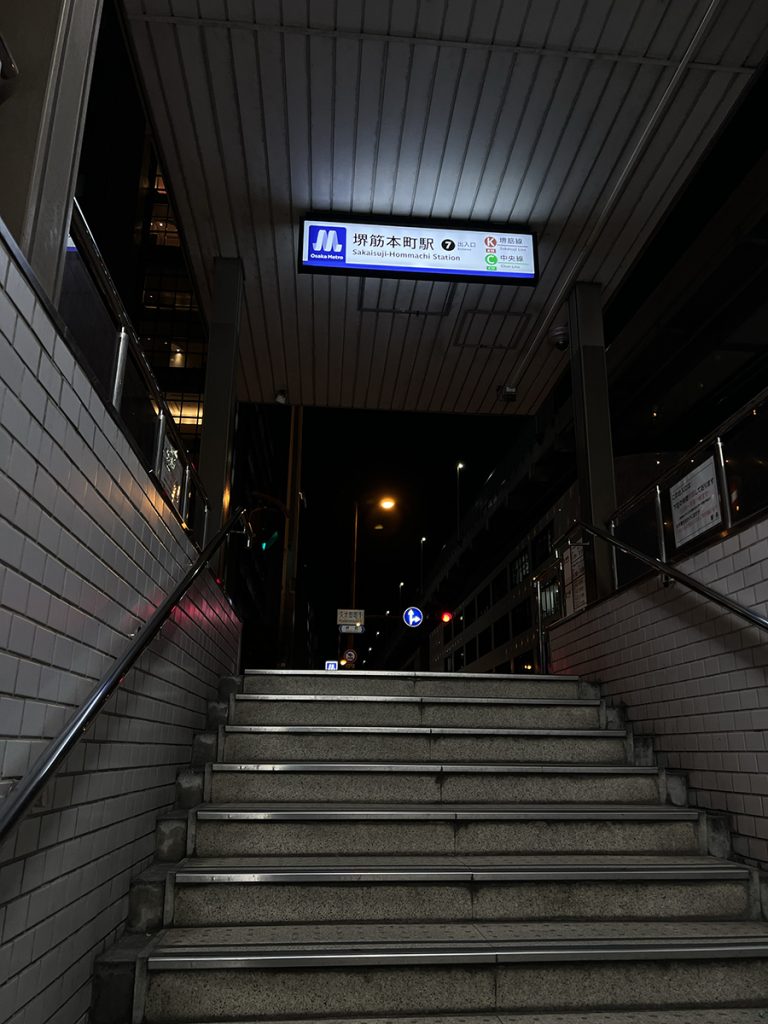
Metro etiquette matters in Japan:
- Line up where the train doors will stop
- Let passengers exit before boarding
- Keep your voice low
- No phone calls or speaker audio
The silence of the metro in Japan surprised me at first. But you get used to it and it’s mostly a calming experience!
Don’t Underestimate Journey Times
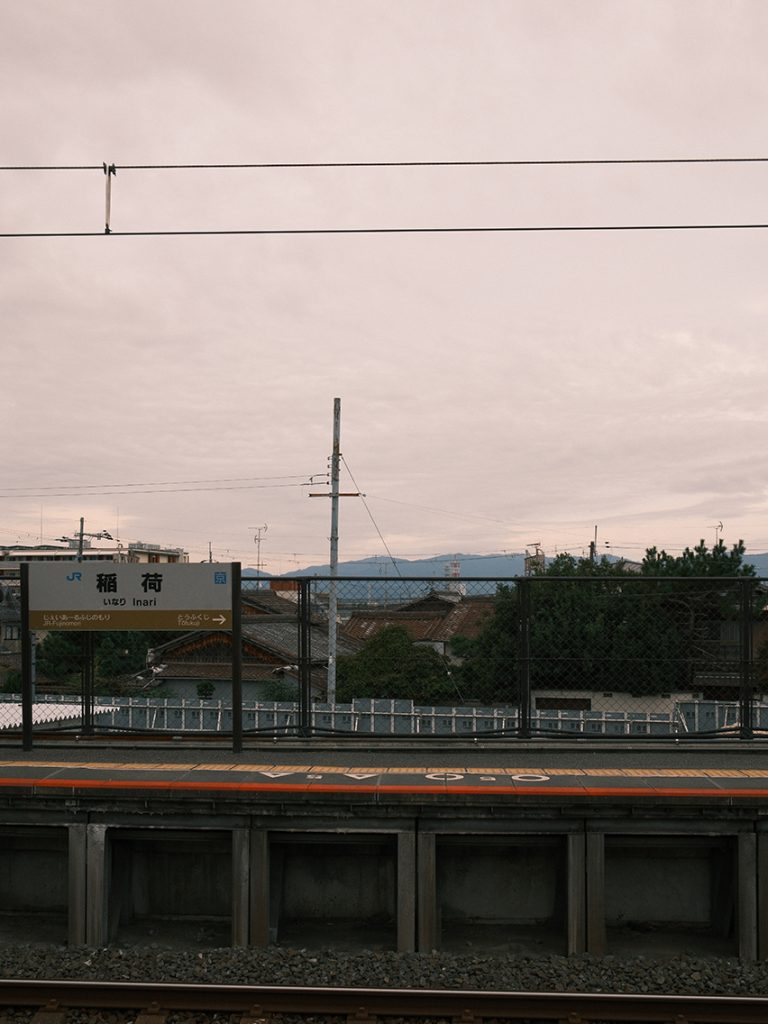
I felt like we spent 60% of our time in Japan on public transportation, and I didn’t get to see everything I wanted to see because of it. One of my biggest mistakes was underestimating how much time transportation would take. Huge stations and long transfers add up fast.
Try to:
- Limit daily plans to one neighborhood
- Build buffer time into your schedule
- Expect major stations (like Shinjuku) to take longer to navigate
There’s a reason why there are hilarious TikToks about what a wild journey Shinjuku Station can be. It’s the busiest train station in the world with about 200 exits and platforms. More than 3 million people travel through it daily! It’s astounding but manageable with patience and Google Maps.
Get a Suica Card (Immediately)
Get a Suica Card — a smart, contactless way to tap to pay at subways, trains, buses, monorails, convenience stores, vending machines, and more. Suica Cards are a type of pre-paid IC card (integrated circuit) that are free and rechargeable with a debit or credit card (watch out for foreign-transaction fees!).
There are regular and travel Suica Cards available and they have a couple of differences between them. The regular Suica Card requires a ¥500 deposit and is available in physical and digital versions. These can be purchased at ticket offices or vending machines a JR East stations, and they stay active for 10 years. You can also add the Suica Card to your iPhone’s Apple Wallet, which is super convenient.
The Welcome Suica Card is an option for travelers visiting Japan for 28 days or less. You can get a physical card at Haneda or Narita airports or at ticket vending machines at JR train stations. You can also set up a digital Welcome Suica Card using the Welcome Suica Mobile App. The digital Welcome Suica Card remains active for 180 days.
Both Suica Cards work very similary — you tap in, tap out and recharge as needed. Easy peasy.
Personally, the digital version of the Suica Card is the most convenient. If you have an iPhone add it to your digital wallet before your trip. It was easy to keep track of how much rides cost, what my remaining balance was and when I needed to add funds using my travel credit card to avoid foreign transaction fees.
You should load about ¥1,000 as soon as you land so you can use the card on public transportation from the airport to your hotel. I loaded between ¥1,000 and ¥2,000 max. (approx. $6–13 USD) whenever my balance got low (think like ¥300 or $1.88 USD approx). But don’t load too much because you can’t get a refund on unused funds in your Welcome Suica Card.
Please note that each person traveling needs their own Suica Card. You can’t use the same Suica Card more than once at the same station entrance because there will be an error and the gate will lock.
If you’re traveling as a family with children, they’ll also each need their own Suica Card. Children under six ride free with one adult ticket (up to two children per adult), and children ages 6–11 ride for half-price fare with a Suica Card for children. You can get Suica Cards for children at JR ticket offices and ticket vending machines at airports.
Make sure you top up BEFORE you try to tap into a station. Otherwise, the gates will simply not open.
Getting Around Japan Is Easier Than It Looks
Getting around Japan doesn’t have to be stressful — even on your first trip. Once you understand how the Shinkansen works, how to use Google Maps for metros and when the JR Pass actually makes sense, transportation becomes one of the easiest parts of traveling in Japan.
If you’re planning a longer trip, this transport guide pairs perfectly with my two-week Japan itinerary, where I break down how I used these exact systems to move between Tokyo, Kyoto, Osaka, Mt. Fuji and Hiroshima without over complicating things.
Japan’s public transportation is efficient, reliable, and incredibly well-designed. And once you get the hang of it, you’ll wonder why it ever felt intimidating in the first place.


Leave a Reply