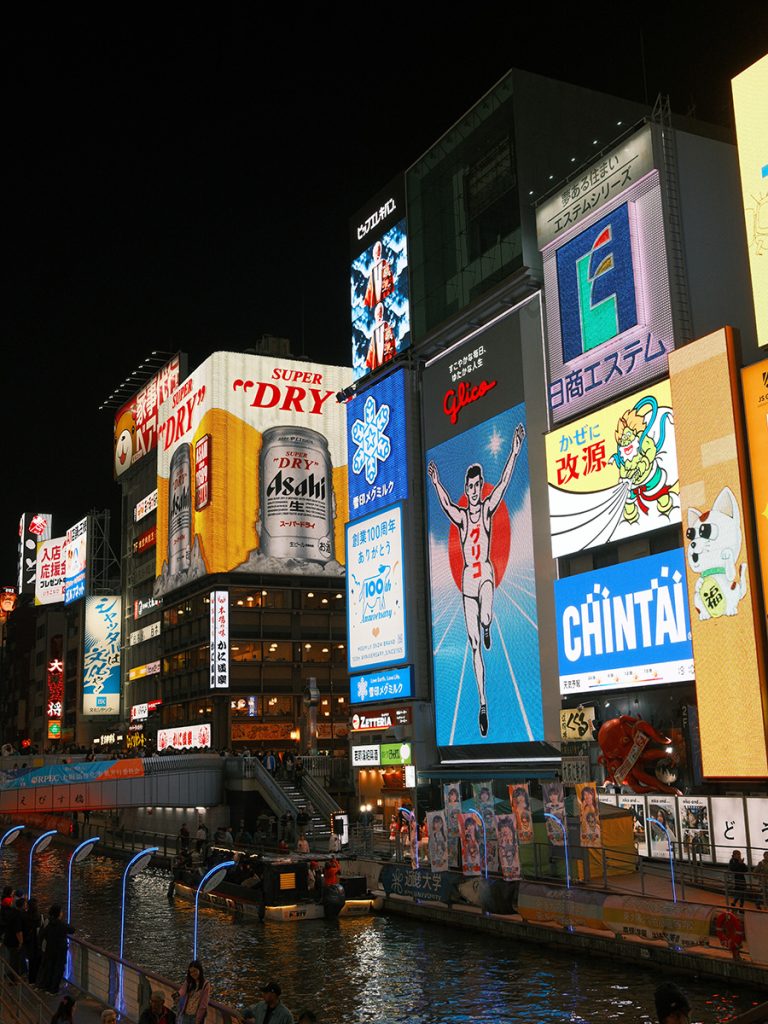
Japan is one of the hottest world destinations of the moment. With gorgeous landscapes, mouth-watering food, unbelievable shopping and a beautiful culture, how could it not be? I spent nearly two weeks traveling through Tokyo, Kawaguchiko, Kyoto, Hiroshima and Osaka — and while I wouldn’t change the trip for anything, there are definitely a few things I’d do differently.
Some of these Japan travel mistakes can be classified as genuine mistakes; while others are simply things I wish I learned in more detail during my research or that someone had told me before my first trip to Japan.
TABLE OF CONTENTS
- Planning Mistakes That’ll Cost You Before You Even Land
- Money Mistakes That’ll Drain your Budget Fast
- Transportation Mistakes That’ll Eat Your Time Alive
- Cultural Mistakes That’ll Make You That Tourist
- Language Mistakes That’ll Stress You Out for No Reason
- Packing Mistakes That’ll Slow You Down
- Mindset Mistakes That’ll Ruin the Vibe
- Final Thoughts: Go Anyway, Just Go Prepared
Planning Mistakes That’ll Cost You Before You Even Land
Your Japan trip technically starts the moment you click “buy” on those plane tickets you’ve been watching like a hawk for weeks or months or longer. Expect all the planning questions to rush into your head almost immediately. Planning a trip to Japan may seem daunting but with a little prep, you have nothing to worry about.
From wondering how many days you need in Japan to learning about cultural etiquette, I’m here to help you avoid underplanning but also to ensure you don’t try to see the entire country in 10 days.
Not Having the Right Apps & Resources
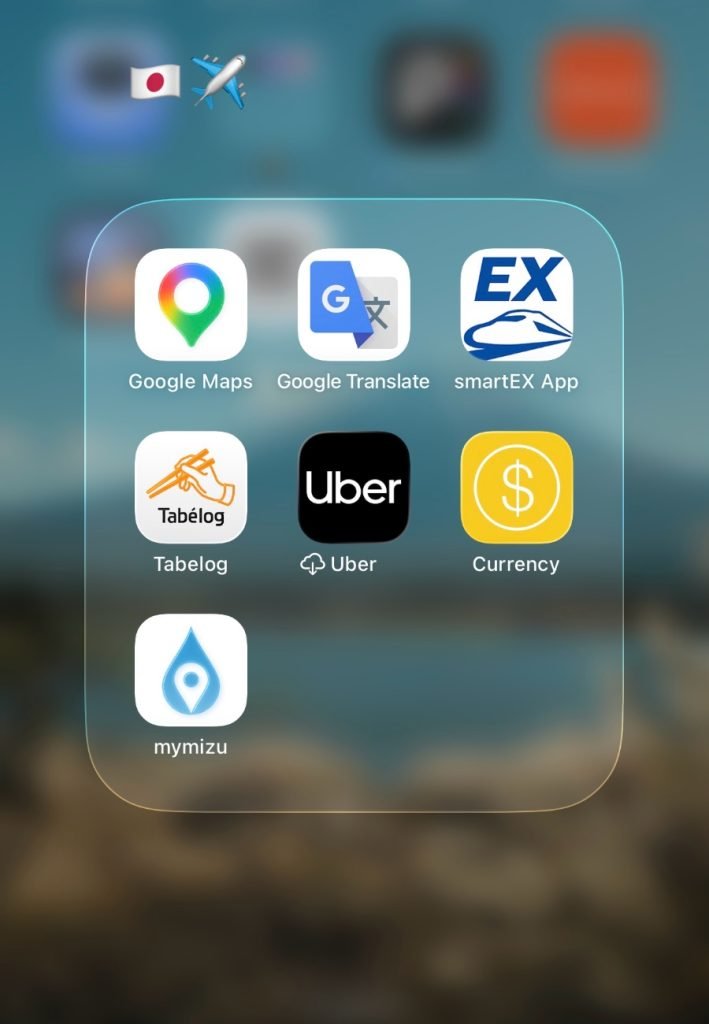
You need to have these apps downloaded to your phone before you land in Japan. They’re tools I found really useful during my trip and that’ll help make yours easier.
- Google Maps: For getting around and using public transportation. See detailed section below.
- Google Translate: Super useful for in-the-moment translations.
- Currency Converter: You’re gonna shop, so you need to know how much you’re spending.
- SmartEx: For Shinkansen bullet train travel; buy tickets, load your tickets, get the QR code, etc.
- Go or Uber: For when you’ve walked 20,000 steps and can’t fathom walking back to your hotel.
- MyMizu: Helpful for finding 1,000+ free water-refill stations.
- Tabelog: For restaurant reservations.
Not Giving Yourself Enough Days in Japan
So how many days do you need in Japan? You need at least two weeks to see Tokyo plus another region with a couple of day trips without feeling totally rushed. My first trip to Japan was two weeks long; so I can personally attest to this being a good amount of time to explore the country.
Tokyo alone deserves four days (see my four-day Tokyo itinerary). Besides it being absolutely huge, there are so many things to see and do in this magnificent city. Spending at least four days in Tokyo allows you to explore a handful of neighborhoods, see the city from its many wonderful viewpoints, and immerse yourself in all it has to offer.
Kyoto and Osaka along with Tokyo complete the traditional Golden Route that most first-time travelers take. You should plan to spend three days in Kyoto and two in Osaka. Plus, I’d throw in a day trip to Hiroshima and Miyajima from Osaka.
Don’t forget that jet lag is real — you’ll need to fight through it or caffeinate yourself.
Trying to Do Too Much
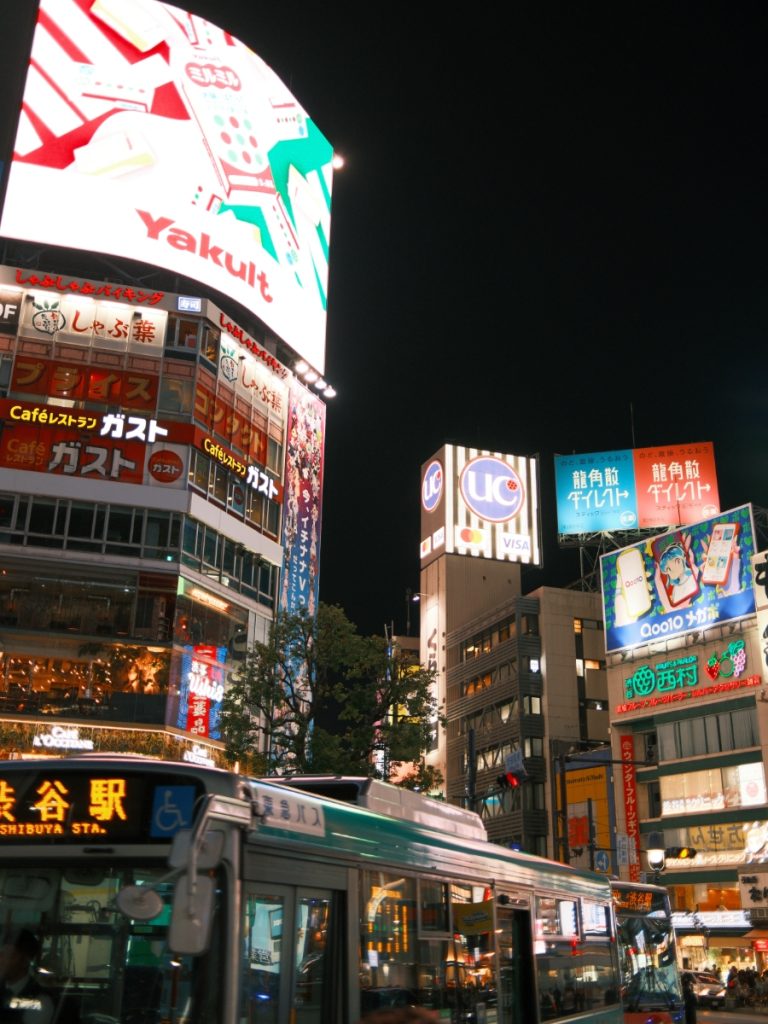
Although it’s a geographically small country, there is A LOT to see in Japan. Being intentional and clear with your must-visit spots and non-negotiables and most importantly your time is ideal. Depending on how much time you’re spending in Japan, I recommend not trying to fit too many cities into your itinerary. And even on a city-by-city basis, I’d recommend sticking to one neighborhood per day for the bigger cities.
Unfortunately, I was physically incapable of enjoying my first day in Tokyo to the fullest because I didn’t make time to actually eat. I know, terrific planning on my part (sarcasm). So there I was in a crowded room at the Ghibli Museum one second away from fainting and feeling like I needed to get out of there expeditiously.
But think about everything we did that day:
- I walked around Senso-ji Temple before 9 a.m.
- I waited 45 min. in line for matcha at Hatoya (not recommended)
- I visited Tokyo Skytree
- I shopped at Kappabashi Street
- I visited TeamLab Borderless
- I went to the Ghibli Museum
All of that was fit into one day with minimal snackage. And listen, I did that to my own damn self. I do NOT recommend doing this because being that hungry while having walked 15,000+ steps is not fun.
I fortunately learned the lesson for the rest of my four days in Tokyo, and every day after the first, we made sure to fuel up.
It’s natural to feel inclined to try to do everything when visiting a new country for the first time — or even second and third times. I recommend you stick to one big thing or one neighborhood per day. This allows you to not feel overly rushed or exhausted at the end of the day.
Plan for one big meal per day. This is kind of how I build my own itineraries as a self-proclaimed foodie — I build the lineup for the day based on the spot I’m dying to have dinner at or the lunch spot that will get us through the day.
The same strategy can be applied if you replace the meal with an absolute-must activity or experience, and then, build the rest of the day around that.
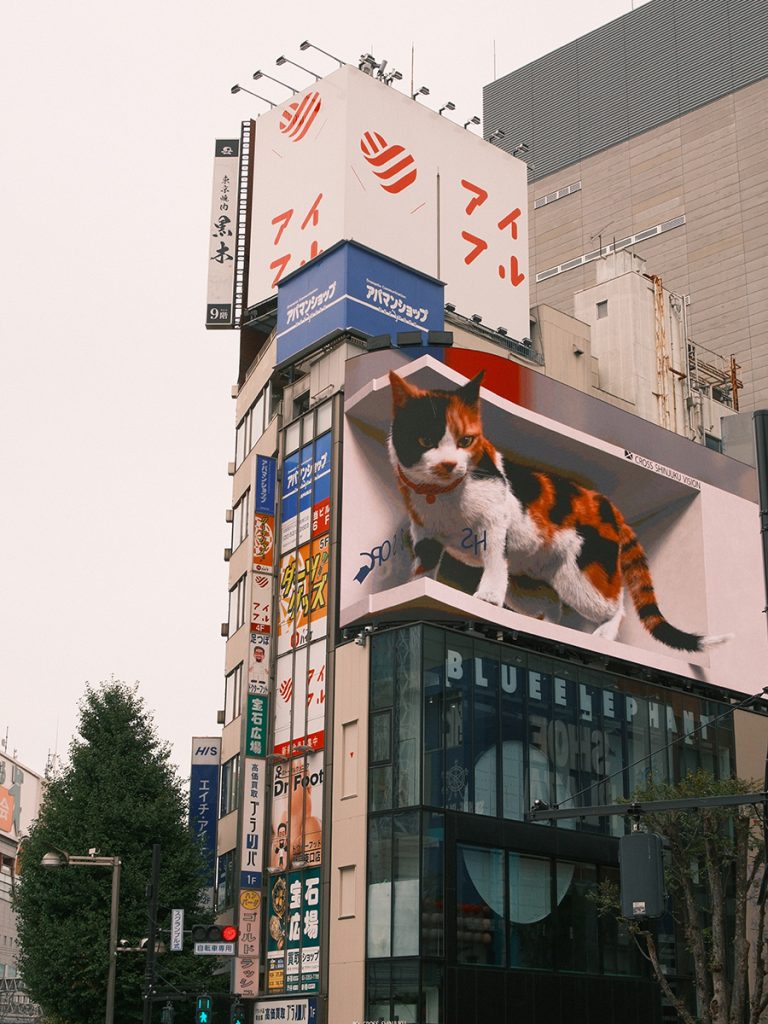
Remember this:
- Don’t overpack your itinerary.
- Take a moment to slow down and really take it all in.
- Base your days around either one big meal or one non-negotiable experience/activity
If you can, try to do three days per city at minimum. This lets you catch your breath and really explore what Japan’s wonderful cities have to offer.
One of my favorite things to do during my travels is just walking and getting to know what the neighborhoods look and feel like, stepping into cute little shops, trying pastries from local coffee shops, and more.
When we were in Tokyo, we absolutely loved walking around the sophisticated Aoyama neighborhood after a delicious omakase lunch at The Sakai. I loved exploring the quiet backstreets of Aoyama and stumbling onto elegant boutiques, trendy cafés and cool restaurants.
Then, there was the trek to Sakai City — world-renowned for its knife-making — near Osaka where we bought custom-made knives at a shop that’s been around for 150 years. Hopping from subway to train to get outside the hustle of Osaka let us see a little bit of what everyday life is like in Japan.
I definitely needed more time to simply wander in Kyoto and Osaka because I was only able to barely scratch the surface there.
JAPAN TRAVEL TIP
Doing a free walking tour on your first day in a new city is a wonderful way to orient yourself. You’ll get insider tips and specific recommendations from guides who are often locals — helping you get a more authentic feel of the city.
Leave enough time to get a little bit lost and wander while visiting Japan because that’s where some of the most magical moments happen in travel.
Not Booking Things Far Enough in Advance
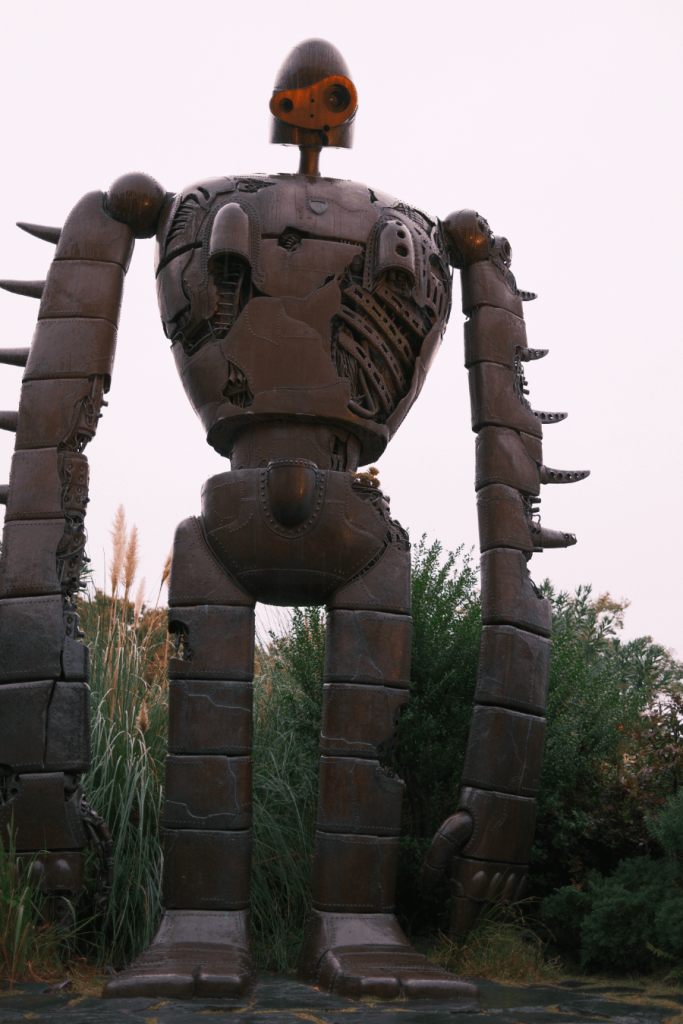
Here’s another thing to not underestimate when planning a trip to Japan: Things absolutely sell out. This goes for attraction tickets, reservations, specific time slots for things, etc.
If there’s something you absolutely want to do in Japan, find out exactly when tickets or reservations open up. Then, be ready to buy or reserve at the exact time on the dot.
Not booking certain experiences earlier is a Japan travel mistake that’s easy to avoid. This is especially important if you’re visiting Japan during the summer, cherry blossom season, Golden Week, peak fall foliage time, etc. These are a few examples of things you should book in advance:
- Sunset time slot for Shibuya Sky (tickets go on sale 14 days in advance at 12 a.m. JST)
- Ghibli Museum tickets (tickets go on sale the 10th day of each month at 10 a.m. JST)
- Pizza Marumo (reservations open two months in advance)
- Shinkansen tickets (mostly if traveling during holidays or peak seasons)
- Tokyo Disney Resort (tickets go on sale daily exactly 60 days in advance at 2 p.m. JST)
- Universal Studios Japan (especially if you want to buy Fast Passes)
- Pokémon Café (reservations open 31 days in advance at 6 p.m. JST)
- Kirby Café (reservations open the 10th day of each month at 6 p.m. JST)
- Geisha/tea ceremonies in Kyoto (depends on the specific one but generally book 1–3 months in advance)
- Ghibli Park (tickets go on sale the 10th day of each month at 2 p.m. JST)
- Nintendo Museum (tickets are sold on a monthly lottery system three months in advance)
I almost missed out on some of the best pizza in the world when I couldn’t find reservations for Pizza Marumo in Tokyo. You better believe I checked every day until something happened to open up on our very last day in Japan!
My point is that your best bet for booking the exact time slot you want or the reservation for the restaurant you’re dying to try is to set an alarm or reminder for the exact moments those get released. And don’t miss those dates and times!
Going During the Wrong Time of Year
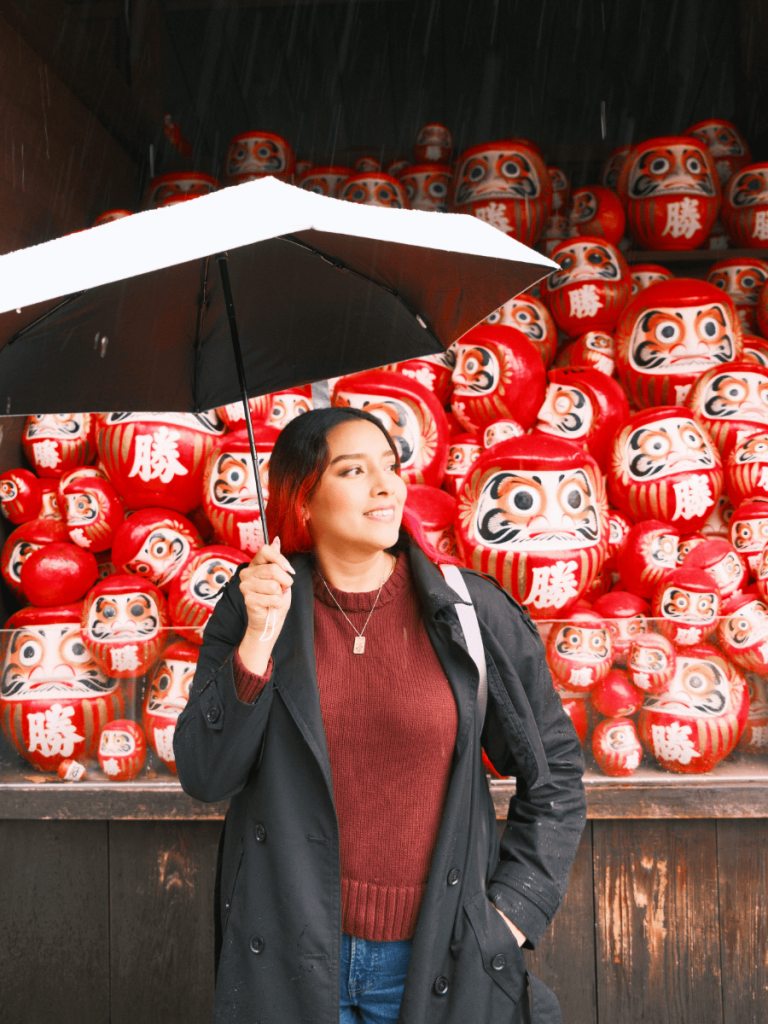
Choosing when you visit Japan is very important because it could completely change the vibe of your entire trip. I won’t bury the lead here — the best time to visit Japan is not peak cherry blossom season, August or Golden Week.
I know this recommendation to avoid Japan during cherry blossom season may seem counterintuitive. Frankly, cherry blossom season is absolutely beautiful, but it’s also one of Japan’s busiest, most crowded times of the year.
This means iconic spots like Ninenzaka and Sannenzaka streets in Kyoto and Shinjuku Garden and Ueno Park in Tokyo get extremely crowded. Public transportation also gets overloaded and hotel prices tend to be higher during this season.
If cherry blossoms in Japan are a non-negotiable for you, just mentally prepare to wait in lines, deal with heavy crowds and book everything as early as possible. Maintaining a positive attitude and patience will make your trip more enjoyable.
Try visiting Japan early-to-mid March if you absolutely want to chance catching a glimpse of cherry blossoms without peak crowds. Just keep in mind that cherry blossom crowds start in late March.
Golden Week is another super busy time in Japan. Millions of people travel during this one-week national holiday of April 29 to May 5. According to Reddit, even getting ferry tickets and museum tickets for off-the-beaten-path islands like Naoshima is difficult during Golden Week — unless you’re planning way ahead of time.
Traveling between cities and booking accommodations can also be difficult if not done well in advance for Golden Week. In general, I play it safe and try to book my trips outside of national holidays for any country I’m visiting.
Another time of year I’d personally avoid in Japan is August. This is the hottest month of the year and peak typhoon season. The potential for extreme downpours and torrential rains with the risk for flooding makes it hard to know what to plan for or how your trip could be affected.
I would play it safe here too and avoid the summer months in Japan. But I know families are tied to school schedules and other limitations, or maybe this is the only time you can get time off work. If that’s the case, try visiting Japan in early June to avoid peak heat and humidity. (June’s the beginning of the rainy season with some rain and high humidity to be expected, but not as bad as August.)
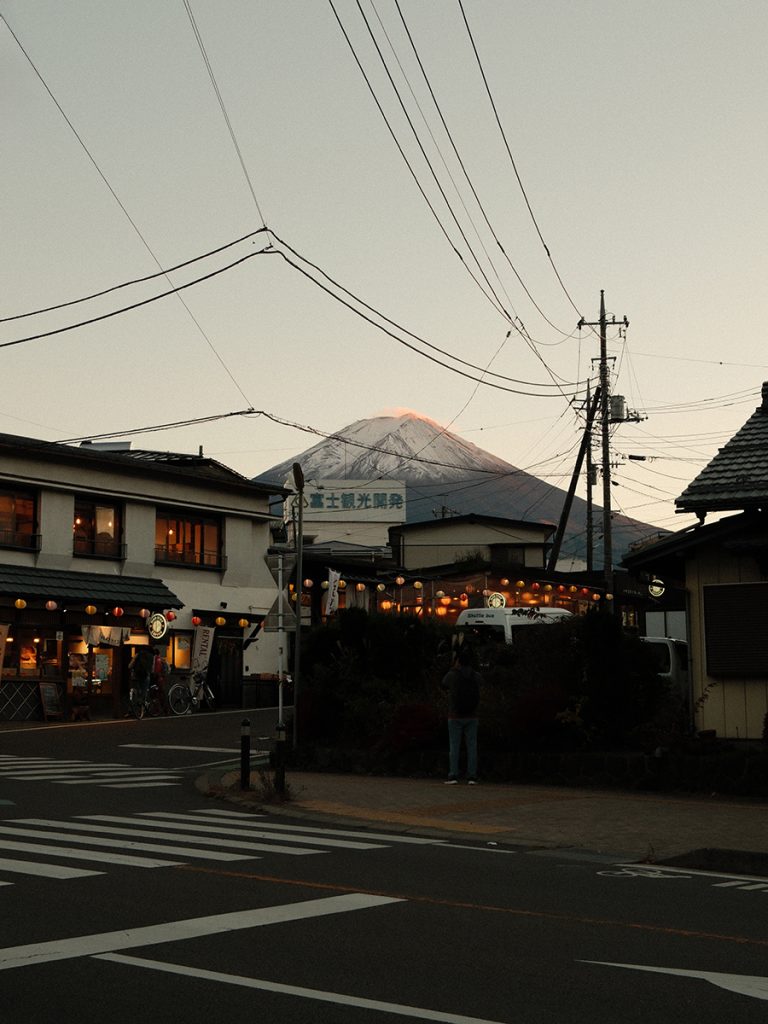
My personal top choice for the best time to visit Japan is early November. During this time, you might catch some fall foliage, crowds are a bit more manageable and the weather is perfect. Your chances of seeing Mount Fuji are also higher because fall in Japan comes with mostly clearer skies. The temperature is cool, but not super cold — it’s just perfect!
I want to visit Japan in mid-to-late May next time so I can experience completely different weather.
Not Having a Neighborhood Strategy for Tokyo
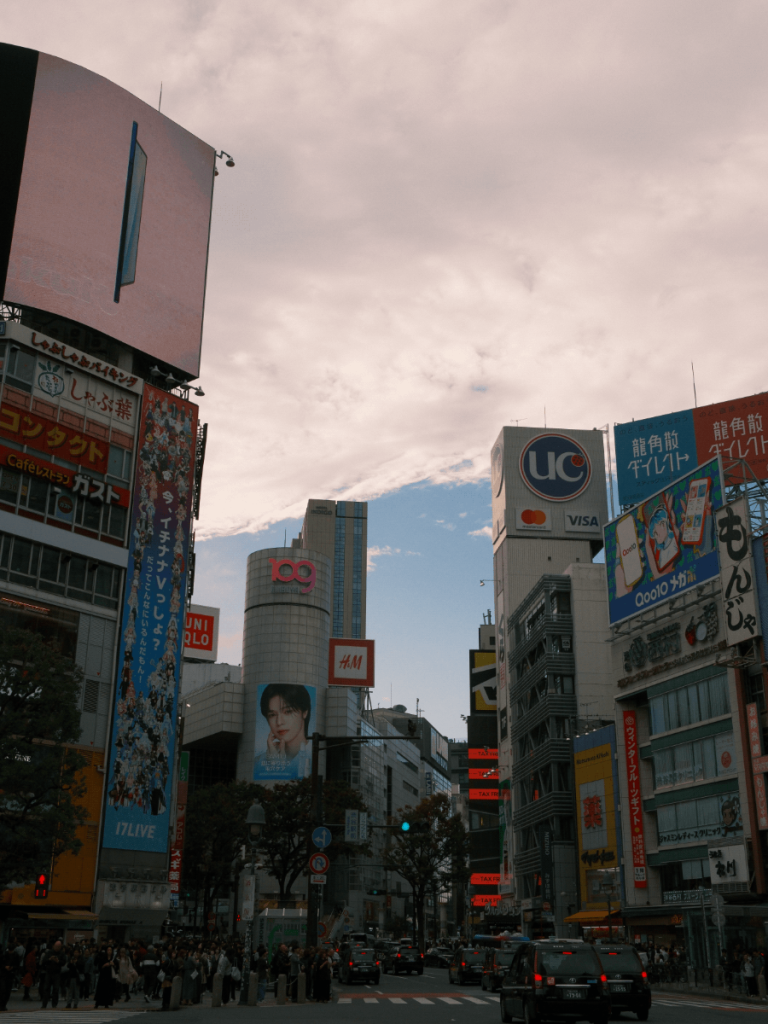
Tokyo is huge, huge, huge with absolutely endless things to see and do. That’s why it’s important to approach this behemoth of a city with a neighborhood-by-neighborhood strategy — including when choosing where to stay.
The mistake is choosing to stay in Shinjuku or Shibuya simply because they’re the most well-known areas without considering if their vibe actually matches your vibe. While Shinjuku and Shibuya are perfectly good areas to stay in, they tend to be more crowded and a little bit chaotic.
Personally, I looked for a Tokyo hotel where I could come back to a quiet, peaceful place to end my nights. Kabutocho, Japan’s equivalent of Wall Street, ended up being a lovely choice for a Tokyo homebase.
This area was well-connected to the rest of the city, a bit more quiet, and a quick bus ride away from Tokyo Station for day trips. While Kabutocho was less flashy than Shibuya, I’d definitely stay here again.
Here’s a quick breakdown of the Tokyo neighborhoods you’ll likely consider staying in:
- Shibuya: Best for people who are OK with crowds, want to shop A LOT and want a central location in Tokyo.
- Shinjuku: Best for people looking for a central homebase in Tokyo that’s connected to the rest of the city with loads of things to see and do.
- Asakusa: Best for travelers who want a more peaceful, slower-paced stay in Tokyo.
- Ginza: Best for travelers that are not on a tight budget and are looking to splurge on shopping while staying relatively central in Tokyo.
- Kabutocho: Best for first-time Japan travelers looking for a central location close to Tokyo Station and other public transportation
For a full breakdown of Tokyo’s neighborhoods, go deeper into each one through my four-day Tokyo itinerary. But the mistake to avoid here is choosing based on familiarity rather than fit
Skipping Kyoto or Rushing Through It
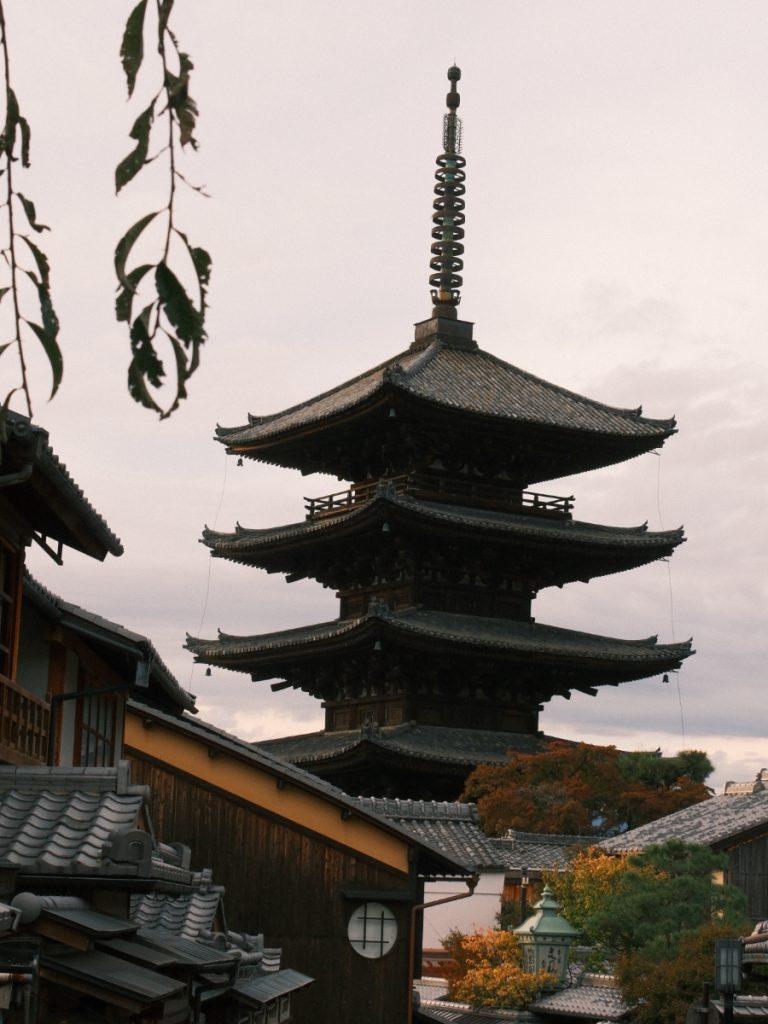
You need at least three days in Kyoto to fully experience its beautiful spiritual vibe and peaceful shrines and temples (if visited early in the day).
Yes, Kyoto is 100% touristy. But it’s also 100% worth the visit, especially for Japan first timers. The key is in having enough time to take Kyoto in smaller pieces so you don’t get completely overwhelmed by the crowds.
Establish your Kyoto non-negotiables ahead of time and be strategic about WHEN you visit each of those. Don’t try to visit Kiyomizu-dera, Fushimi Inari Shrine, Arashiyama AND Nishiki Market all in one day. The commute alone between Fushimi Inari and Arashiyama is an hour long, and public transit rides can easily eat up a lot of your day.
The thing is that Kyoto’s heavy hitters are HEAVY hitters and the most-commonly-shared advice is to visit these as early in the morning as possible to avoid the heavier crowds. But you only have a limited amount of early mornings in Kyoto and a long list of heavy hitters.
Let’s first establish some Kyoto must-sees:
- Fushimi Inari Shrine
- Arashiyama Bamboo Forest
- Ninenzaka & Sannenzaka streets
- Kiyomizu-dera
- Kinkaku-ji
- Nijo Castle
To avoid the bus-tour and school-trip crowds at the above places, you’ll definitely need to show up EARLY in the morning. Pair one heavy hitter in the morning with a more off-the-beaten path spot per day. For example:
- Do Fushimi Inari Shrine at 8 a.m., then do a day trip to Uji where you can shop for matcha, take a matcha-making class and go to the Nintendo Museum.
- Check out Otagi Nenbutsuji Temple early in the morning (slightly off the beaten path). Then, head down to Arashiyama (don’t go to the bamboo forest), and end your day with a free walking tour that takes you around Ninenzaka and Sannenzaka streets.
- Head to Kinkaku-ji first thing in the morning, do a walking tour, then end your day with a free walking tour of Gion District.
Unexpectedly, Kyoto was one of my favorite portions of my two-week trip to Japan. It’s not that I thought I wouldn’t love Kyoto — I was worried I wouldn’t enjoy it as much because of how crowded it tends to be. I’ll admit the TikToks of the seas of people at Arashiyama’s bamboo forest had me saying, “Hell, no!”
But I was blown away by the special thread tying Kyoto together from a modern feel to a traditional vibe. It’s SO wonderfully different from Tokyo and Osaka. It’s a very special city with a beautiful spiritual vibe that I’d love to spend more time in.
You likely won’t be able to completely avoid crowded places in Kyoto. Just keep your patience high and enjoy the moment. Stay tuned for my upcoming Kyoto itinerary soon.
Not Planning Day Trips in Advance
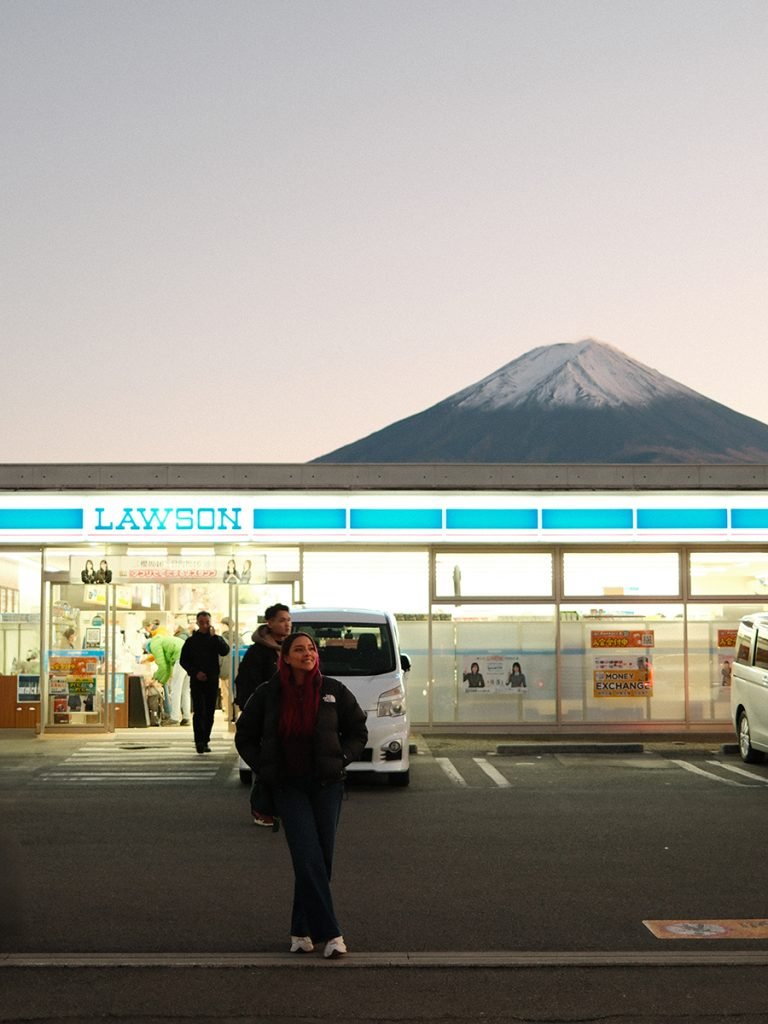
Day trips out of major cities in Japan are a must if you have the time. The country has so much to offer, including historical sites, foodie havens, incredible art museums and more. Plus, Japan’s excellent bullet-train system helps make getting to places so much easier and faster.
Planning ahead is indispensable for deciding what day trips make the most sense for your Japan itinerary.
Does biking around Lake Kawaguchiko with gorgeous views of Mount Fuji sound like a perfect day? Or is an art-filled adventure in Naoshima Island more up your alley? Perhaps relaxing in a mountainside onsen in Hakone is more your vibe. The options can really feel endless.
When deciding what day trips to plan, consider how easily you can get there, how long it takes to get there, how much you’ll be able to see in a day, and how much it’ll cost. It will also all depend on your home base. For example, Tokyo and Osaka are great home bases for many day trip options.
The time of year you’re visiting Japan also changes things. If traveling during peak seasons, you’ll need to start planning and book everything much earlier.
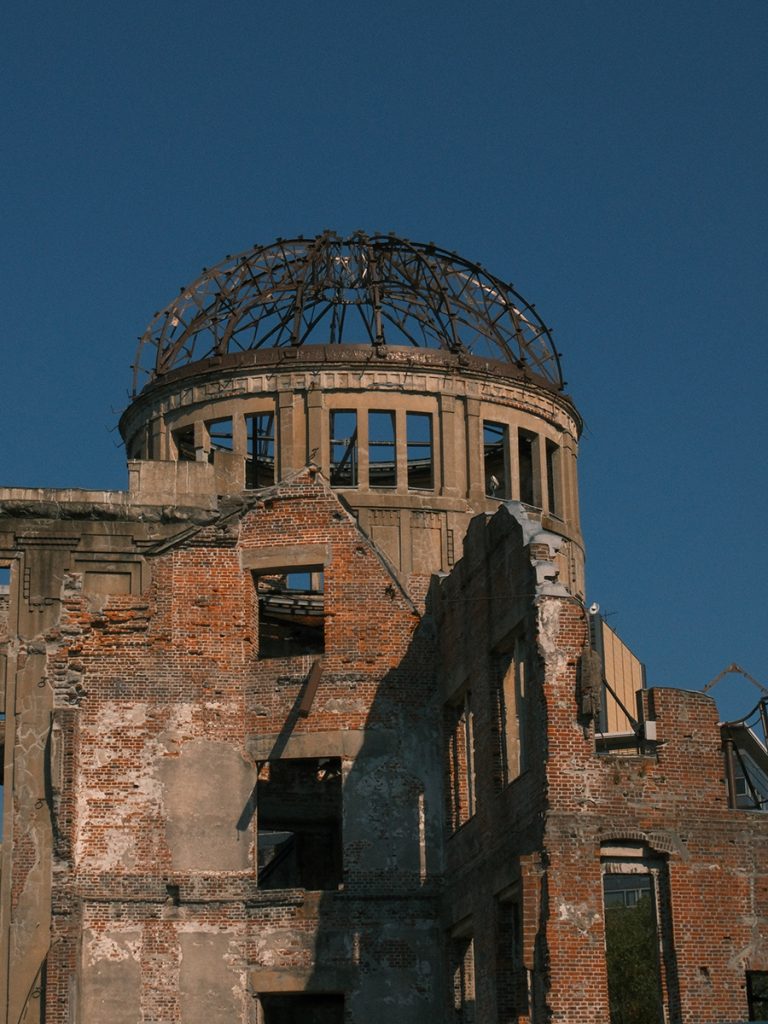
These are the day trips we were able to do during my two-week trip to Japan:
- Fujikawaguchiko from Tokyo (2 hours one-way by train or bus)
- Hiroshima and Miyajima from Osaka (1 hour and 20 mins. one way by bullet train)
- Uji from Kyoto (22 mins. by local train)
- Katsuo-ji Temple from Osaka (technically a half-day trip; about an hour from Namba)
If you’re looking at doing a day trip from Tokyo, here are some options to consider:
- Fujikawaguchiko
- Hakone
- Kamakura
- Yokohama
- Tokyo DisneySea
Here are some day-trip options with Osaka as a home base:
- Hiroshima
- Miyajima
- Kobe
- Nara
- Himeji
- Uji
Money Mistakes That’ll Drain your Budget Fast
Is Japan Expensive? Setting Realistic Expectations
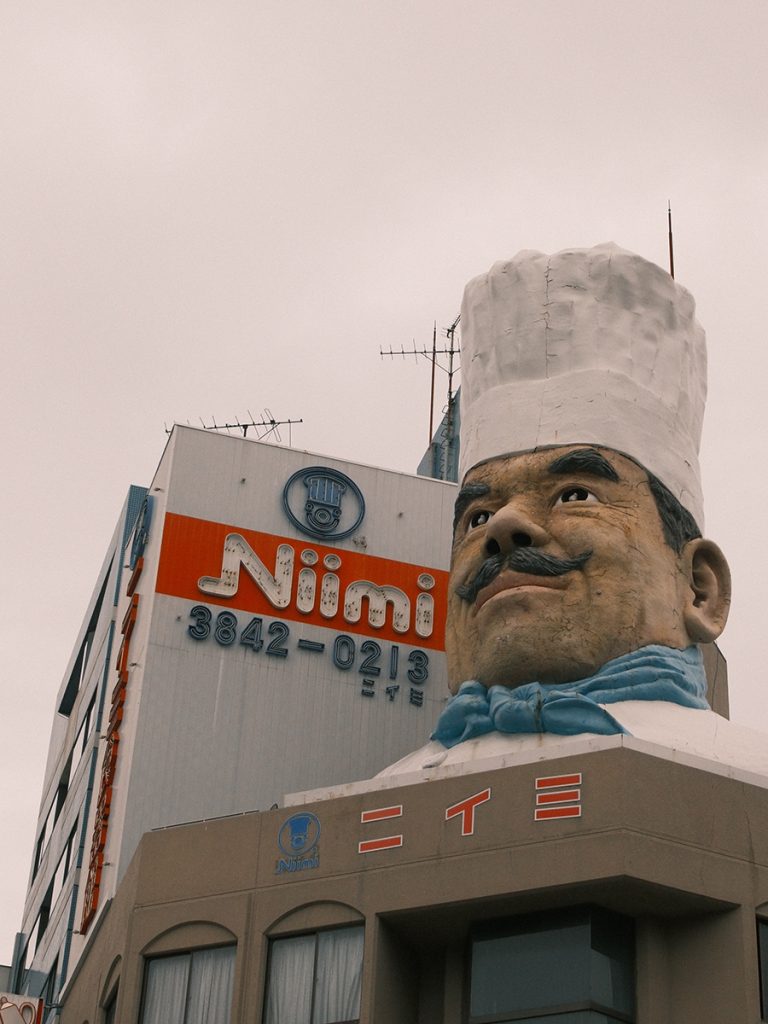
Japan’s not as expensive as you’d expect with a few caveats. It’s certainly not as expensive as the Scandinavian countries, as I recently experienced in Copenhagen. But Japan is not a cheap country either.
For a comfortable trip to Japan, budget about $120–150 USD per day per person, including food, activities and transportation. If you have a higher budget or room to splurge, then $200 USD per day makes more sense. I’d say $80–$100 USD a day would keep you on a low budget.
I was pleasantly surprised to learn how much you’re able to adjust your experience in Japan to your budget. While activities and experiences can add up quickly, food and public transportation are very affordable in Japan.
When I visited Japan for the first time, we primarily used public transportation to move around. I spent around $55 USD (¥8,700) in total for the two weeks we were there. I find this pretty incredible because we truly used the trains, subway and bus so much.
For comparison, a single subway ride in New York City costs $2.90 USD, while the same ride costs $1–2 USD in Tokyo. Another good comparison would be Copenhagen’s 72-hours City Pass Small transport card that costs approximately $44 USD. Using public transportation in Japan will save you some money for sure.
You can also save on food in Japan by doing a couple of things:
- Convenience stores sell onigiris, sandwiches, sushi, baked goods and so much more that can make a perfectly good and relatively cheap meal.
- Plan your day around one big meal and go to budget-friendly chains or convenience stores for the other two meals.
- Lunch specials tend to be cheaper than dinner in Japan, so opt for making lunch your big meal of the day.
- Even convenience store meals add up and you can save money by buying food from local grocery stores.
Not Carrying Enough Cash
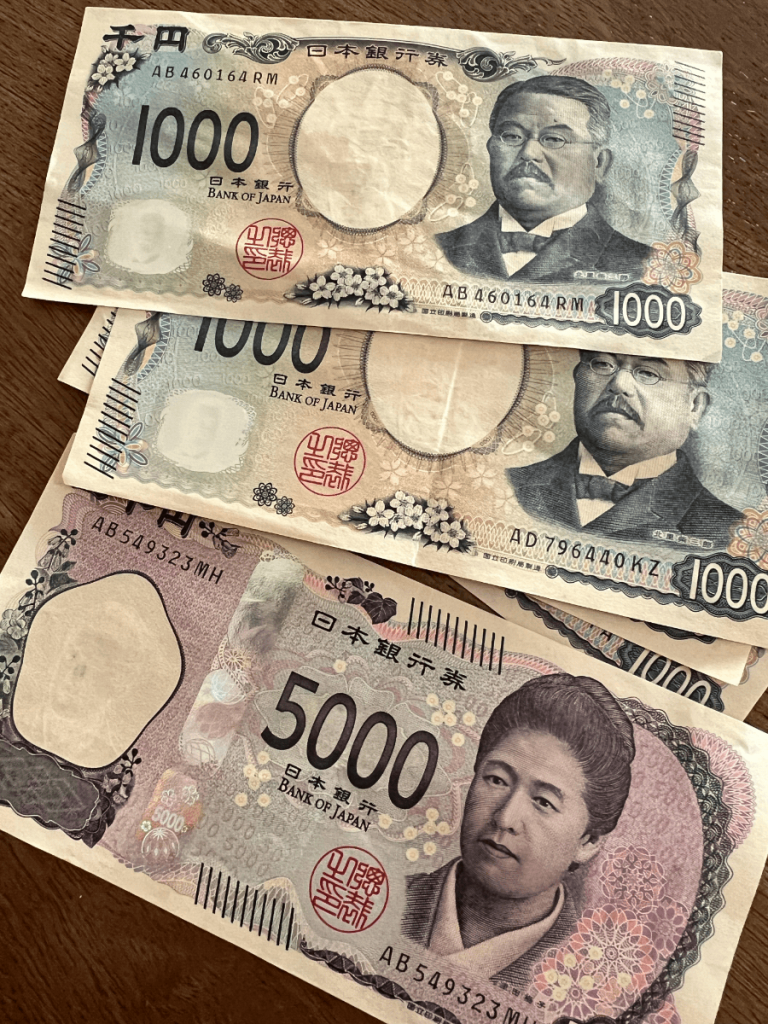
While credit cards are widely accepted in Japan, you still need to carry some cash with you for smaller restaurants, temples, some market vendors, vending machines and more. Make sure you carry the equivalent of $100–150 USD in cash at any given moment and replenish that as needed.
If you’re exploring outside the Golden Route, you’ll need cash in more traditional towns and cities. For example, if you go biking Lake Kawaguchiko to see Mount Fuji, eating a delicious bowl of houtou at Houtou Fudou will require cash.
Or if you take a day trip to Hiroshima and Miyajima out of Osaka, you’ll need to pay ¥500 in cash to enter Itsukushima shrine. And if you want to get goshuin — a red stamp or seal you can get at Shinto shrines and Buddhist temples — you’ll likely also need to pay cash.
I didn’t use a lot of cash during my recent trip to Japan. The only places I had to use cash were at Houtou Fudou in Kawaguchiko, a skewer vendor at Nishiki Market, and most temples with an entry fee.
You can get some of the best exchange rates by withdrawing money from ATMs at 7-11s in Japan. But people report online that currency exchange booths at Japan airports have fair rates as well.
The absolutely most convenient way to get cash is to withdraw money from an ATM with a debit card that doesn’t charge foreign or ATM transaction fees or that at least reimburses those.
A Charles Schwab debit card is considered by many one of the best debit cards for international travel. This free debit card refunds all withdrawal/ATM fees and reimburses you for third-party ATM fees. To see the requirements to open an account and get the debit card, visit their site. (This is not spons btw! I just think it’s convenient for travelers.)
Does Japan take credit cards? Yes, credit cards are widely accepted in cities — but it’s still important to carry some cash with you just in case.
Assuming the JR Pass Is Automatically Worth It
In my initial research for Japan, I saw a lot of people recommending the JR Pass to anyone planning to travel by train. The Japan Rail Pass (JR Pass) is a tourist-exclusive physical train pass that offers unlimited train travel for seven, 14 or 21 days. And while unlimited train travel in Japan may initially sound great, it may not make sense for all trips.
At first glance, the price tag after the 2023 increase sent me out of orbit. Ordinary-class adult passes go for ¥50,000 for seven days (approx. $320 USD) and ¥80,000 for 14 days (approx. $512 USD). With that price tag, the JR Pass may not be worth it if you’ll only be in Japan for 14 days or less.
This is how much I actually used the Shinkansen during my two-week trip to Japan and how much it cost (per person with an assigned seat):
- Tokyo to Kyoto (one way) — ¥12,430 (approx. $79 USD)
- Kyoto to Osaka (one way) — ¥1,360 (approx. $9 USD)
- Osaka to Hiroshima (round trip) — ¥21,900 (approx. $140 USD)
- Osaka to Tokyo (one way) — ¥12,980 (approx. $84 USD)
Total per person: ¥48,670 or $310 USD
We spent about $200 USD less buying train tickets individually/per trip than we would have spent if we had bought the 14-day JR Pass. For my trip, the math wasn’t mathing on the JR Pass.
You’d need to be hopping between cities every couple of days to be able to get your money’s worth out of a JR Pass. While this may mean you get to cover more of Japan in one trip, your time in each city/town would be much more limited. And let’s be honest, that wouldn’t really let you get to know a place.
If you move from city to city every couple of days, you’d also need to consider the increase in accommodation and luggage-forwarding costs. The travel time would also add up and eat up time you could be spending getting deeper into one city. Plus, you’d probably be completely burnt out by the end.
I only recommend the JR Pass for people who:
- Are spending more than two weeks in Japan
- Need to travel by train A LOT
- Need to travel long-distance or back and forth between regions
- Are traveling outside the Golden Route
You can use the convenient JR Pass Fare Calculator to help determine whether the pass would be worth it for your specific Japan trip. Buy a JR Pass, check up-to-date JR Pass prices, view all pass options and more at their official website.
Not Budgeting for Souvenirs and Shopping
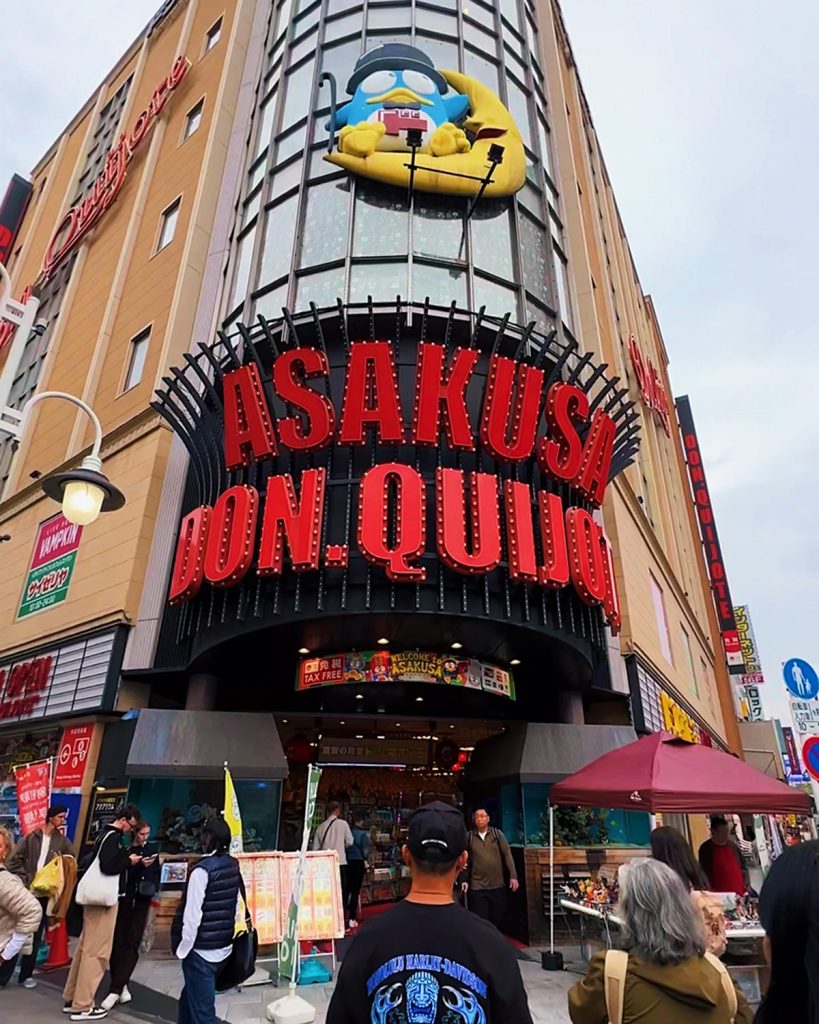
Two things here: you’re gonna shop in Japan and you’re gonna want to budget for it.
The limit for how many cute things you’re going to stumble across does not exist. And if you’re into Japan-exclusive items? Ooof, get ready. No, seriously get ready.
Define if there are any specific items you absolutely plan to shop for. Visiting Kappabashi Street? Decide whether you’ll be shopping for ceramics, chopsticks or other kitchenware. Are you into Studio Ghibli films, Pokémon, manga or other character-based things? You’ll be in heaven here. See: Kiddyland, Nintendo Stores, Pokémon Centers, Akihabara for all things anime, etc.
All my stationery lovers, rise up. Don’t miss Itoya, Hands and Loft.
Sneakerheads? New Balance, ASICS, Onitsuka and Converse all have Japan-made or Japan-exclusive styles and designs.
Oh, and for my affordable luxury lovers, perhaps some of the best secondhand luxury shopping in the world? I found unbeatable deals in the secondhand shops in Osaka and Tokyo.
My point is no matter what you’re into, you’re going to shop in Japan.
Set a Japan shopping budget during the trip-planning stage. Ask yourself who’s getting a souvenir, whether there are any specific items you absolutely want to buy, and how strict you’ll be with your budget.
For two weeks in Japan, I had set aside approximately $600 USD for shopping, including souvenirs for others. Full transparency though, I ended up blowing through that because I bought two secondhand luxury bags in Osaka (oops!).
Using the Wrong Credit Card Abroad
A credit card with zero foreign transaction fees is another important tool when traveling abroad. The last thing you want to do is pay hundreds in foreign transaction fees because you used your regular debit card abroad.
Whenever I travel, I mostly use my Chase Sapphire Preferred credit card because of the points. I’m not a certified pointsmaxxer, but I want to be. The Chase Sapphire Preferred credit card comes with no foreign transaction fees — making it super convenient to use abroad. (Note: It does have a $95 USD annual fee.)
The Apple Card’s another travel-friendly card with not only zero foreign transaction fees but also zero annual fees. I normally keep these two in my mobile wallet and just tap wherever I can because it’s easy and convenient.
Make sure you still budget to pay it all afterwards. Don’t let high interest rates eat you up. I’ll go a lot more prepared for secondhand luxury shopping next time because I know myself and I have zero willpower.
Transportation Mistakes That’ll Eat Your Time Alive
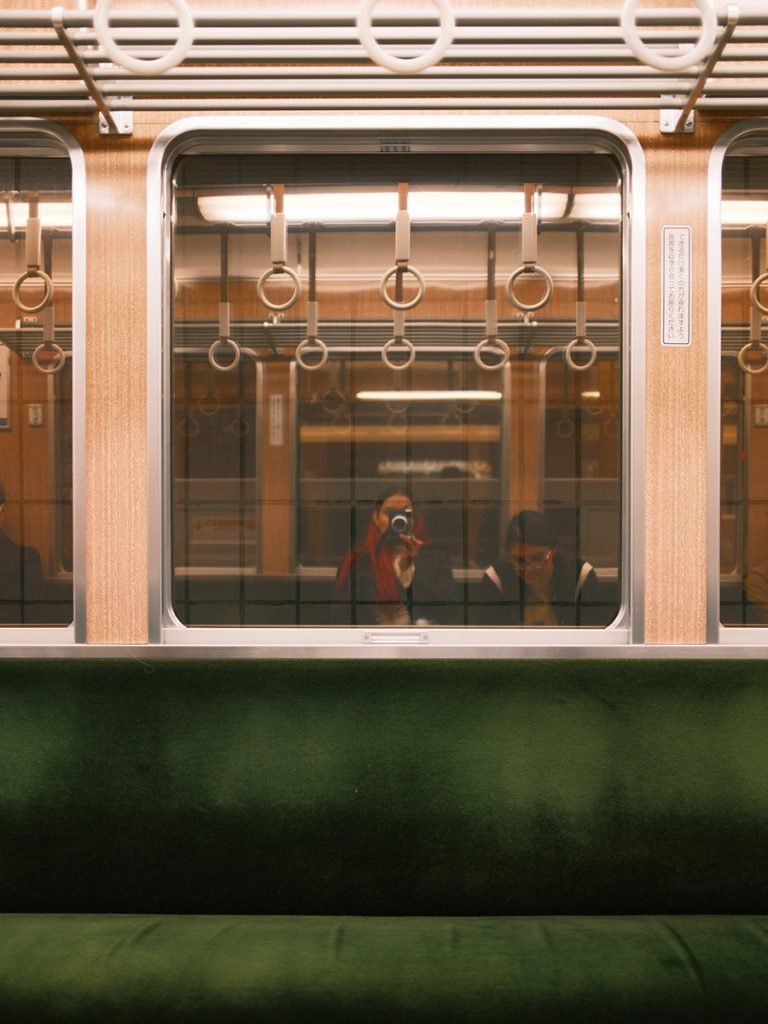
The transportation systems in Japan are serious business. I’ve said it once and I’ll say it a billion more times, stations are huge, crowded and a bit overwhelming. Despite this, public transportation is the best way to travel around Japan.
Now, don’t let your brain spiral on those facts because you’re gonna be prepared for all of it — and I’m here to help with that.
Not Getting a Suica Immediately on Arrival
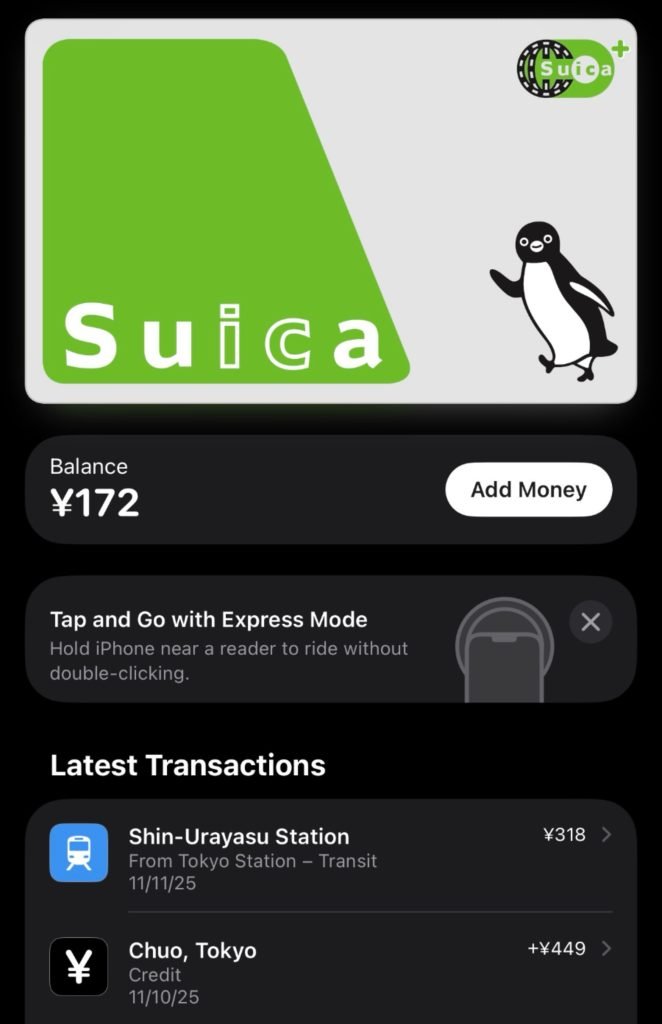
A Suica Card is a top-tier Japan travel tool you absolutely need to have in your arsenal. Use this free, contactless and rechargeable IC card on your phone’s mobile wallet to tap in and out of public transit stations throughout Japan.
Essentially, Suica Cards are a very convenient way to tap to pay for public transportation and more throughout Japan. You can easily load money onto the card using a credit or debit card, and then, tap your phone on the automatic readers at trains, subways and monorail stations.
This helps get rid of needing to buy specific tickets for all the different subway and train operators. You just tap in and out each time, and reload the card when you run out of funds.
Having the Suica Card on your mobile wallet, mainly for iPhones, is also convenient because you can see what your balance is and keep an eye on how much you’re spending on public transit.
If you have an Android, you can get a physical Suica Card at vending machines at the airports or JR East stations.
NOTE: You cannot use the Suica Card to tap at Shinkansen train gates. You must buy a Shinkansen ticket using the SmartEx app or at the station’s ticket offices.
Check out my Japan transportation guide where I go a little bit deeper into Suica Cards.
Being Afraid of Public Transportation & Trains in Japan
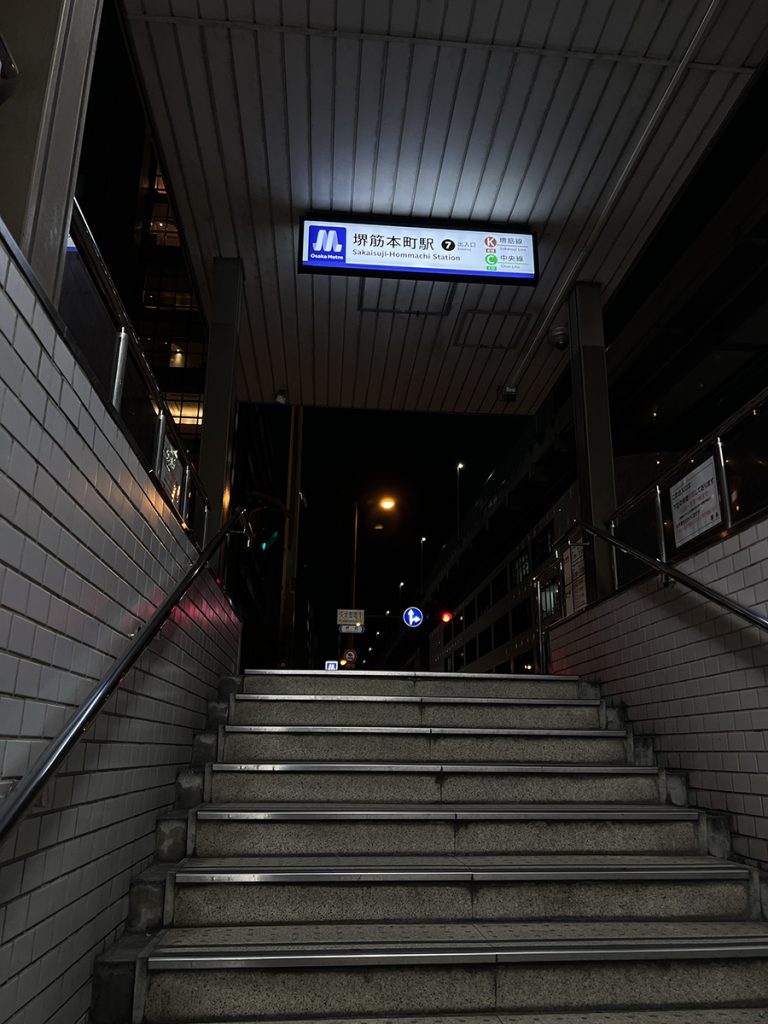
Yes, some of Japan’s ginormous stations and finding the correct train can be intimidating. Add a language barrier, crowded chaos, different train operators, the anxiety over missing your departure time, and it could be a recipe for not-a-fun time.
Overstimulation, be damned. A little prep on how getting around Japan works gets you there on time!
First off, Google Maps is an essential travel tool for getting around many foreign countries, and I swear by it. Google Maps details out everything, truly everything, you need to know to get from one place to another in Japan. It tells you what station to look for, what line to ride, how many stops to ride for, how long the trip will take, and so much more.
Google Maps even tells what entrance/exit to use AND which train car to board for the fastest exit or transfer. It’s honestly been so indispensable for me on all my international trips. It really helps to get familiar with how the app works BEFORE your trip so you’re ready to hit the ground running as soon as you land.
You can start to learn how Google Maps works by mapping out the places on your itinerary or travel wish list. You’ll start to understand journey times, where everything is in relation to your accommodation, and how to break down your days.
Before my trip to Japan, I used Google Maps to map out most, if not all, of the places on my itinerary day by day. This was really helpful to see what places in my list were close to each other so I could put them in the same day as I built my itinerary.
Google Maps is a great travel resource because it tells you:
- What station to use
- What lines to ride
- What station entrance/exit to use
- What train car to board for fastest transfer or exit
- The approximate fare for the trip
- Who the subway/train operator is
- Departure and arrival times
- Additional departure times
- How long the journey will be
- What platform to board from
- If there are any delays
- How many minutes until the next soonest departure time
- What time you need to depart if you want to arrive at a specific time
- Whether you need to transfer at any point
Pair Google Maps with a Suica Card and you’re set to get around Japan (see above).
NOTE: You can’t use a Suica Card to travel across or between different regions. For example, you can’t use it to travel between Tokyo and Osaka — you’d need to use the Shinkansen bullet train for that. But you CAN use it for local travel on most subways, trains and buses in major cities like Osaka, Tokyo, Kyoto, Hiroshima, Fukuoka, and Nagoya.
There are multiple subway and train operators that can make transportation in Japan a little bit confusing. Don’t worry though — Google Maps and your Suica Card will still be trusty tools to rely on for this.
In Tokyo, for example, you have the Tokyo Metro, the Toei Subway, the JR East railways, and more. Before, you used to need to pay closer attention to who operated the line, what tickets you bought and what fare you were paying.
That’s because let’s say you were going from TeamLab Borderless to the Ghibli Museum in Tokyo; you would need to ride the Namboku Line operated by Tokyo Metro, and then, switch to the Chūō Line operated by JR East. And this requires paying for two different tickets and fares.
Now, all you need to do is get a Suica Card, load it with funds, and then tap in and out without having to really worry too much about those other details. And like I mentioned, Google Maps really tells you eveeeerything you need to get from one point to another.
Underestimating How Long It Takes to Get Around
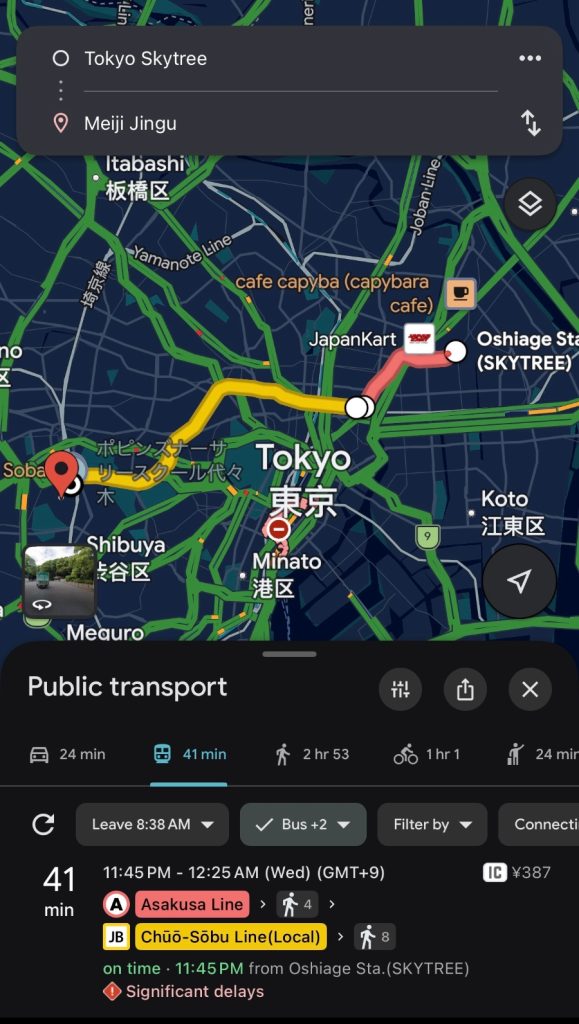
I definitely underestimated how much time it takes to get from place to place in Tokyo. At the end of my four days in Tokyo, I felt like I had spent more time in public transportation than actually getting to see the city.
This is an important aspect to consider when researching how to prepare for Japan. It surprised me how far apart some Tokyo attractions are from each other. For example, Tokyo Skytree is a bit out of the way in Sumida at least 40 minutes by public transportation from the more central Meiji Jingu Shrine in Shibuya.
Think about it, we started our first day in Tokyo in Asakusa about 25 kilometers from the Ghibli Museum in Mitaka where we ended our day. With everything we did in between, we walked more than 18,000 steps and spent around 3.5 hours total (all trips combined) commuting.
Considering we did Senso-ji, Don Quijote in Asakusa, Tokyo Skytree, Kappabashi Street, TeamLab Borderless, the Ghibli Museum and dinner at Ichiran before heading back to our hotel, it’s unbelievable I survived the day.
If a jam-packed day is more your speed, it’s clearly doable but exhausting. I would just skip waiting 45+ minutes in line for anything (like allegedly life-changing matcha from Hatoya). And make sure you’re keeping yourself fed and hydrated to get through the day. Otherwise, you’ll end up physically unable to even fully enjoy these once-in-a-lifetime moments.
To avoid commuting time eating up all of your time in Japan, especially in Tokyo, build each day’s plans around one neighborhood or one big activity/experience per day. See my full itinerary for four days in Tokyo to see just how I accomplished this on my trip.
Getting the Shinkansen Wrong
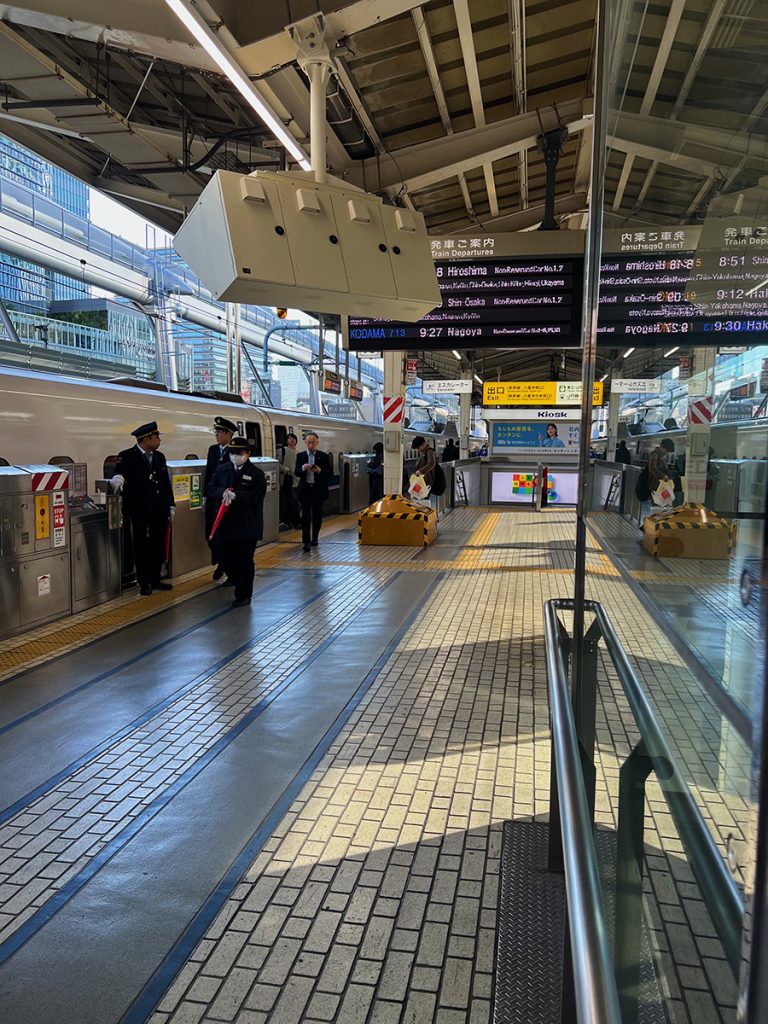
The Shinkansen is the high-speed train system in Japan, also known as the bullet train. These super-duper fast trains connect you from city to city and region to region all throughout Japan. It’s what you’ll primarily be using if you plan to see multiple cities in Japan — even if you’re only doing the Golden Route.
The thought of having to get through chaotic, loud, crowded and often massive transit stations in a foreign country might make anyone spiral. Again, that’s fair.
I was super nervous when we had to catch our first Shinkansen from Tokyo to Kyoto. We arrived SO early because we were worried about not finding the right platform and train. But the truth is there is sooo much signage that if you know what to look for, you’ll be just fine.
Once you book your train using the SmartEx app, your ticket will have the train type, train number, car number, seat number and departure time. Find that train type, number and departure time on the electronic departure boards at the station to see what platform your train will depart from. Usually, the platform will appear on the boards 20–30 minutes before the departure time.
HOW EARLY SHOULD YOU ARRIVE FOR THE SHINKANSEN?
If riding the Shinkansen for the first time, arrive 45–60 min. if you want to be early or want to buy food, drinks or coffee. 30 minutes is just enough time to find your train and line up in time at your platform. Allow yourself enough time to find the right train car number (also on your ticket, and normally, you’ll have chosen it when you bought the ticket if you reserved a seat).
People usually line up on the platform around 10–15 minutes before the train arrives. Depending on the type of train (Nozomi, Hikari, Kodama, etc.), you’ll see signage overhead or floor stickers at the platform that tell you what train cars stop there.
Trains in Japan are super punctual — for arriving AND leaving. For major hubs/stations, the Shinkansen stops for up to 3 minutes; so be ready to let people off first, and then board as quickly as possible.
Once you successfully ride the Shinkansen once, it really becomes a piece of cake after that. Also, I definitely recommend buying a reserved seat ticket vs. winging it with a non-reserved seat ticket because I’d hate having to stand the entire train ride.
Not Using Luggage Forwarding
The Japanese have really figured out convenience from A to Z, including how to not have to worry about carrying your big luggage when traveling from one city to another.
But more than a matter of convenience, it’s culturally frowned upon to bring large luggage onto public transportation. Because there’s no designated space for large bags and it gets really crowded during peak hours, large luggage may block the space or be cumbersome for other commuters.
While it’s not illegal, not taking your big luggage on the subway is more of a matter of custom. In fact, some city buses in Japan limit the amount of luggage you can bring on (with some having a 10 kg. weight limit).
Initially, the idea of being separated from my luggage sent me out of orbit with anxiety. I had all kinds of questions. What if my luggage got lost in transit? What if it didn’t arrive in time? What if I didn’t have enough clothes in my keep bag? How far ahead in advance should I drop it off? Why can’t I just take my luggage with me? Which luggage-forwarding company should I use?
Once we successfully forwarded our luggage from Tokyo to Kyoto through our hotel in Tokyo, all my worries instantly disappeared. We dropped our luggage off the night before our last full day in Tokyo, kept the essentials with us to travel with, and our stuff was waiting at our hotel in Kyoto by the time we arrived.
NOTE: We could’ve dropped it off very early on the last full day in Tokyo, but we dropped it off the night before because we had to catch an early bus for a day trip the next day. Generally, it’s best to drop your luggage off at least one day before you’re scheduled to arrive at your next destination.
However, if you’re shipping your luggage to farther, more off-the-beaten-path locations, like Hokkaido, plan for delivery to take at least two days. A lot of hotels offer luggage forwarding, which adds a level of convenience because you don’t have to go far to set it up and the employees are usually super helpful with the process.
If your hotel doesn’t offer the service, use Yamato or Sagawa for some of the most-used, most-reliable luggage-shipping services in Japan.
Depending on how much you’ll be traveling from city to city, luggage-forwarding costs can add up. Factor this into your Japan budget ahead of time so you’re prepared.
I used the service four times throughout my two weeks in Japan, and we paid around $25–35 USD to ship our luggage each time. In total, we spent between $100 and $140 USD to travel hands-free all around Japan’s Golden Route.
On top of convenience, luggage-forwarding is more about getting in line with Japan’s cultural customs and not being a nuisance on public transportation.
Depending on weight, size and how many pieces of luggage you’re shipping, you’ll pay about ¥5,344–6,120 (approx. $33–$38 USD) for Yamato at 7-11s throughout Japan. And prices for a medium luggage start at ¥2,570 (approx. $16 USD) with Sagawa.
Cultural Mistakes That’ll Make You That Tourist
A lot of these cultural mistakes that travelers sometimes make in Japan can easily be avoided with a little bit of self-awareness and consideration for others.
Yes, there are a few rules to follow like no eating while walking, silence on the subway and more. It’s just things we should do to avoid disturbing Japanese people’s everyday lives as much as we can, so we can continue to enjoy their beautiful country.
Let’s get into a little bit of Japan’s cultural etiquette.
Not Reading the Room on Train Etiquette
Subway and train etiquette in Japan is one of the most important cultural mistakes to avoid. You’ll notice how quiet the metro is immediately upon boarding. This is by cultural design — talk quietly, don’t take phone calls, put your phone on silent and don’t eat on the subway.
Big luggage on the subway and buses is also a big no-no. You should always wear your bulky backpack in front of your body. And pay attention to the priority seating signs for older adults, pregnant women, people with infants, people with disabilities or injuries.
There’s also some nuance to certain etiquette rules. For example, you CAN eat while riding the Shinkansen. You should still be respectful and not be super loud, but it’s not the same as the subway.
Japan’s a place that from what I perceive loves rules, cleanliness and orderliness. Not eating in certain places or the bulky luggage thing wasn’t something I was super used to, but it didn’t deter me from visiting and wanting to visit again.
There’s a feeling of calm when riding the subway with how quiet it is. I ended up appreciating that the loud chaos wasn’t necessarily something I needed to worry about when using the subway in Japan.
In summary, follow these public transportation etiquette rules in Japan:
- Don’t bring large luggage onto buses or the subway
- Be quiet while riding the subway (no loud phone calls or talking loudly)
- Don’t eat on the subway or local trains (drinking water is OK)
- Don’t use the priority seating if it doesn’t apply to you (unless it’s not busy or there isn’t anyone who NEEDS it)
- Line up by the entrance and let people off first before boarding
Tipping in Japan
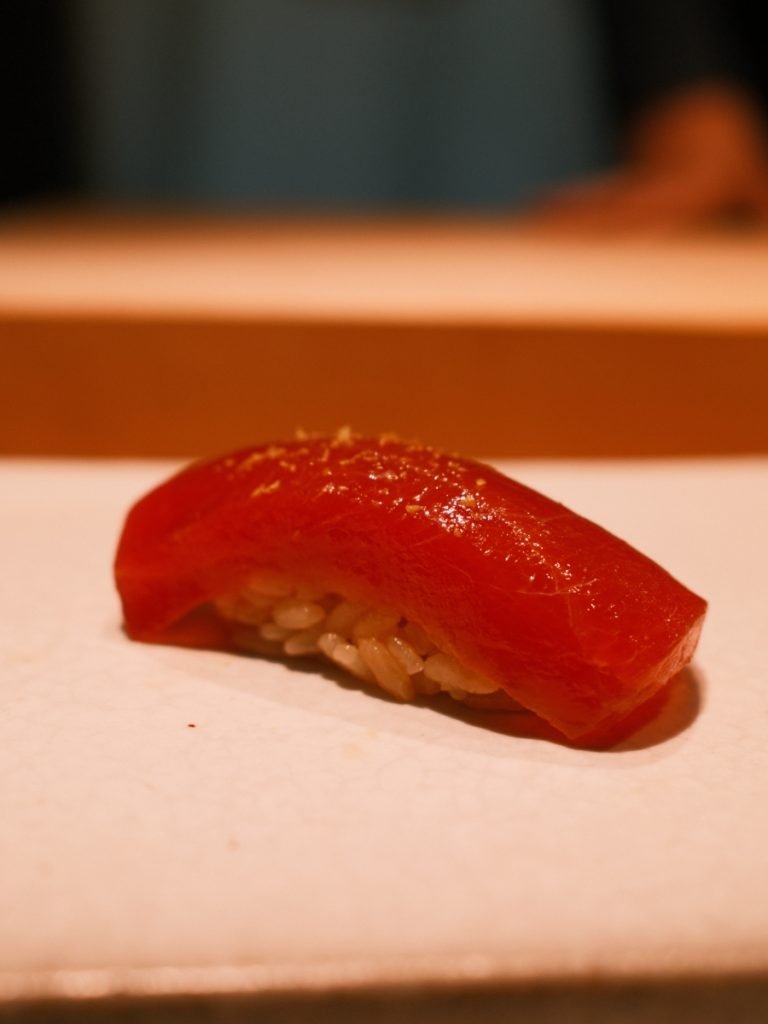
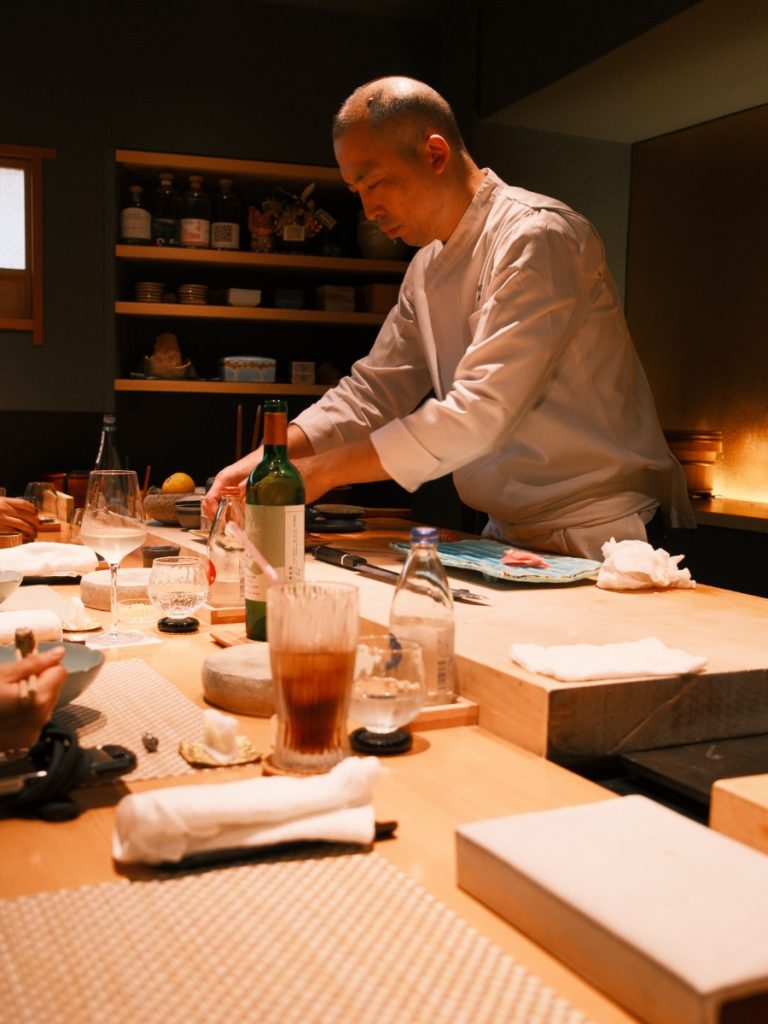
Tipping culture is different in Japan and is not expected or customary in the way it is in the U.S. for example. There are differing opinions on the internet on whether tipping in Japan is considered rude. From what I understand, it’s not rude, but it’s just not expected and some places may refuse a tip.
It’s not expected to tip at cafés, restaurants or even bars, unless they’re higher-end restaurants or bars (like an omakase). Same thing for taxi rides — tipping is not expected, but you can kindly refuse the change. For other higher-end, personalized-service experiences like ryokans, you may tip using a cash envelope.
Here’s where tipping IS expected in Japan:
- Long-haul car drivers or private drivers
- Personal room attendants (nakai-san) and the proprietresses (okami) of ryokans
- Private guides
Eating and Drinking While Walking
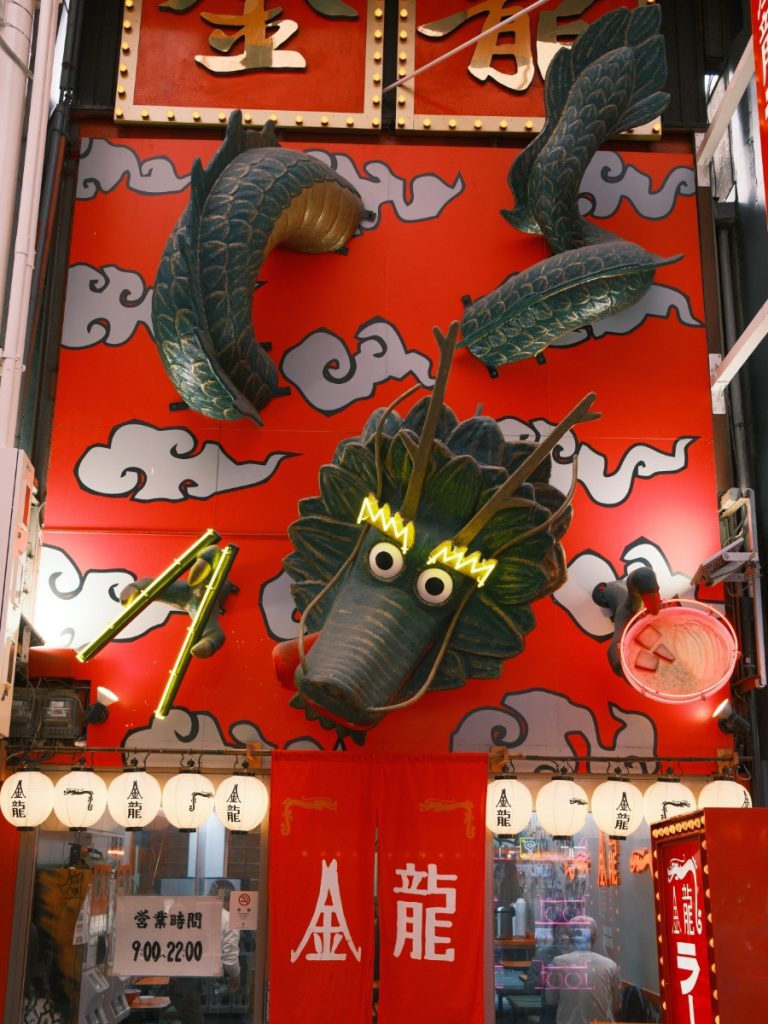
The no eating and drinking while walking rule in Japan had me down bad, y’all. I love having a little sweet treat or drinking my little matcha as I walk through a city I don’t live in. But that’s frowned upon and considered messy in Japan, so don’t do it.
This is one of the easier Japan travel mistakes to easily avoided simply by not eating while walking on the street. It’s no wonder the streets in Japan are so clean. But it may leave you wondering where you can eat that onigiri or chicken sandwich you just bought at a konbini (Japanese convenience stores).
Generally, most konbinis have a small seating area where you can eat your konbini haul. If they don’t have a designated eating area, it’s OK to eat it right outside the store. But make sure you take all your trash with you and don’t leave a mess.
You can also find a public bench or park where you can sit and eat. Again, just make sure to take all of your trash with you.
Definitely do not eat while riding buses, local trains or the subway. Eating is allowed while riding the Shinkansen, but make sure it’s not something super smelly.
Getting the Cash Tray Wrong
When paying in cash at cashiers at restaurants or stores, don’t put the cash directly in the attendant’s hand because it’s against cultural norms in Japan. Look for a cash tray on the counter and put your cash there.
This one’s easy to forget, but just think of the little cash tray always!
Taking Photos Where You Shouldn’t
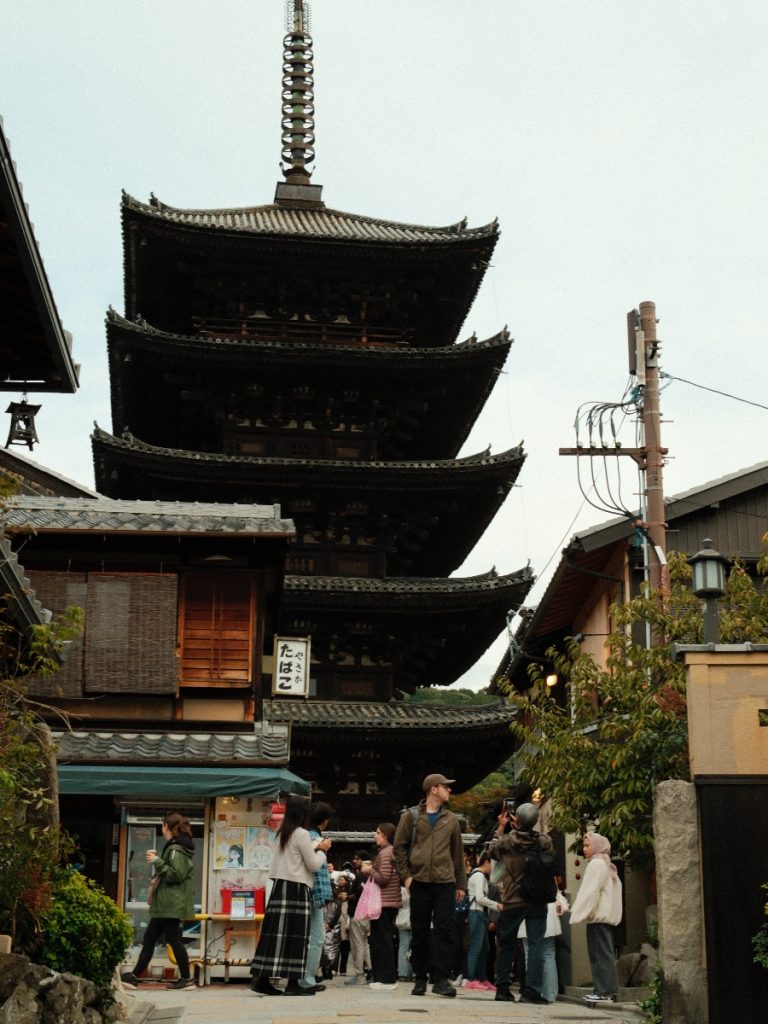
Seriously, don’t do it. Don’t be that type of tourist. If there’s a no-photos sign, be respectful and do not take photos.
I saw a man blatantly ignoring a no-photos sign in the Gion District in Kyoto. I was definitely side-eyeing him because that’s the kind of bad-tourist behavior that gives tourists a bad rep. We don’t need that!
If you happen to be god’s favorite and spot a Geisha in Kyoto, for example, DO NOT be like that annoying viral woman chasing a Geisha to get a photo of her. It’s unacceptable tourist behavior. Actually, it’s unacceptable human behavior.
Don’t contribute to the reasons why locals need to take action like banning photography in certain neighborhoods because of how much of a disturbance bad tourists are to the people who live there.
Remember that people live in those places. They go to work and school, they commute and more often than not, have been there their whole lives.
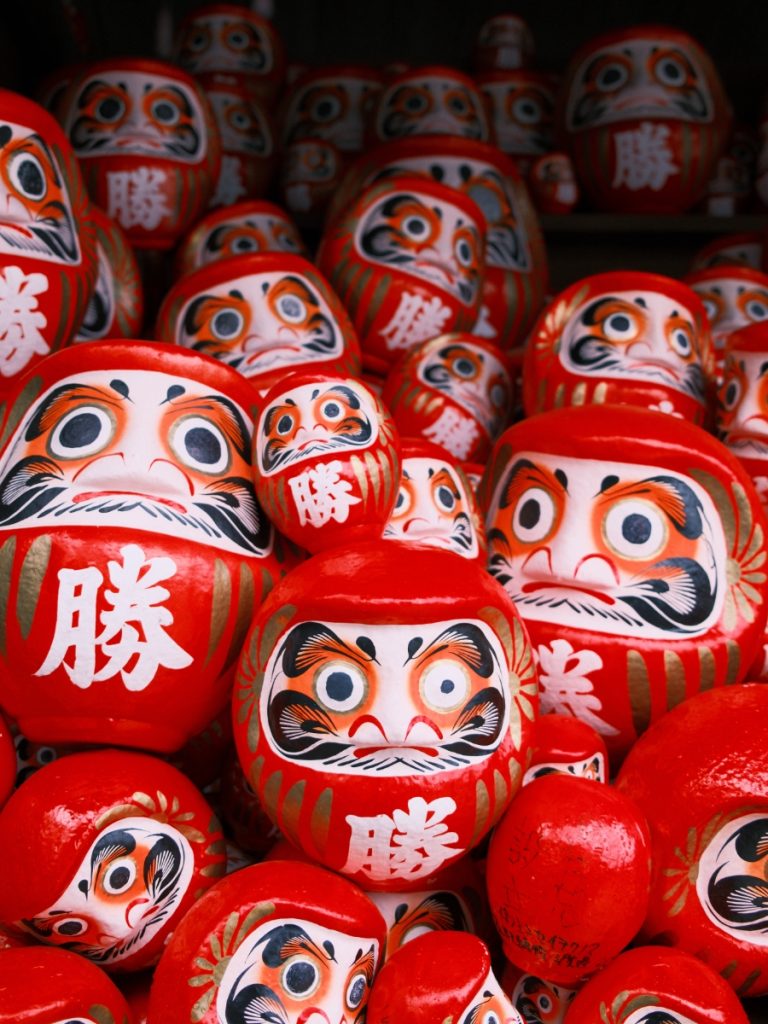
Same goes for “do not touch” signs. My flabbers were completely gasted when I witnessed a man pick up a Daruma doll to take a photo with it at Katsuo-ji Temple … right next to the MULTIPLE “do not touch” signs. Like, that’s just wild behavior. Be nice and considerate of others please.
Another example is people who sit in the middle of Shibuya Scramble Crossing for a photo as people are trying to actually cross. Again, it’s a disturbance to everyday commuters. Just get your quick photo (not sitting in the middle of the street) and move on.
I completely get that these places are all super cool and the fact that you actually get to visit and see them in person is also super cool. Keep it cool by being a nice tourist.
Ignoring Shoe Removal Norms
When I went to Japan, I didn’t have to take off my shoes anywhere. But there are places where this is still the norm. All you need to do to avoid this Japan travel mistake is have a little bit of self-awareness and have the expectation that you MIGHT have to take your shoes off at some point.
You’ll see more of this in more traditional, remote cities, traditional restaurants with tatami seating, ryokans, people’s homes, and more.
I don’t think it’s super necessary to ensure your shoes are easy to take off. Again, it’s just best to check at the entrance whether there’s an area with other people’s shoes already there and go from there.
Language Mistakes That’ll Stress You Out for No Reason

Learning a little bit of the language of the country you’re visiting is always helpful. It helps show locals you care about learning their customs and about their country. You don’t NEED to be fluent in Japanese to visit Japan and get by just fine. But it’s helpful to prepare just a bit.
However, don’t expect everyone to speak English — especially in more remote, traditional areas.
Panicking About the Language Barrier
I was a little bit nervous about not speaking Japanese when visiting Japan. I made sure to learn a few words to get me by, such as hello, excuse me, thank you, goodbye, etc.
There’s genuinely no need to panic if you don’t speak Japanese. Thankfully, most people I spoke to spoke English. And when they didn’t, I used Google Translate for short conversations.
You’ll be happy to know that there is English signage in tourist areas and most major subway and train stations. Everything is clearly labeled in Japanese AND English at subway and train stations, including entrances, exits and other signage. Plus, the overhead announcements are also done in both Japanese and English.
Pair that knowledge with learning the basics and using Google Translate when you need more than that, and you’ll be absolutely set.
Not Learning the Basics

Now, if you want to be a well-prepared traveler, these are the Japanese phrases you should learn:
- Hello/good afternoon — konnichiwa
- Excuse me/pardon me/sorry — sumimasen
- Thank you so much — arigatou gozaimasu
- Where’s the toilet? — toire wa doko desu ka
- Please help me — tasukete kudasai
- Do you speak English? — Eigo o hanasemasu ka
Learning these basic Japanese phrases for travel will help you tremendously. But really, don’t panic if you don’t know them.
Not Having Google Translate Downloaded Offline
Google Translate is an app you must absolutely download when traveling to Japan. That’s not to say you won’t be fine if you don’t speak Japanese (see above). But it will simply simplify your life while traveling abroad.
Make sure to download the Japanese language pack to your device ahead of time so you can have access to Google Translate even without internet connection.
For me, Google Translate was a godsend when trying to figure out which snacks to buy at konbinis or grocery stores. We used the camera translation feature for the menu at Houtou Fudou in Fujikawaguchiko and many other menus throughout our two-week trip to Japan.
Packing Mistakes That’ll Slow You Down
Over-packing

I must confess I’m a little guilty of being an overpacker. You name it, I gotta have the outfits, my skincare, my Owala (lest I become dehydrated!), etc. And when it came to packing for Japan, I put some work, research and planning in beforehand.
In the end, I took a medium luggage, a carry-on luggage and my backpack for two weeks in Japan. And normally, the medium luggage and backpack combo would’ve been enough; but I went in November and packed some thick sweaters/jackets that took up a lot of space. Plus, leaving enough room for souvenirs is a must.
And listen, I didn’t even overpack in terms of actual clothes. I packed enough outfits for six–seven days and did a load of laundry halfway through our trip. This helped make planning Japan outfits and packing them manageable.
We made sure all of our hotels had laundry facilities just in case — especially our hotel in Kyoto at the trip’s midpoint. Unfortunately, the washing machines were all taken when we needed to do laundry. Luckily, finding a laundromat near the hotel was pretty easy and cheap; so it all worked out in the end.
JAPAN TRAVEL TIP
A lot of hotels have washing machines (some even have them in the room). Look into the available amenities of the hotel you want to book to add a level of convenience to your trip. However, keep in mind when you travel to Japan or where you’re staying because that might affect the hotel’s washing machines’ availability.
You also want to make sure to leave enough room in your luggage for all the cute things you’re going to buy in Japan. In fact, some people on the internet machine even recommend taking an empty luggage for souvenirs.
Not Knowing What to Wear in Japan
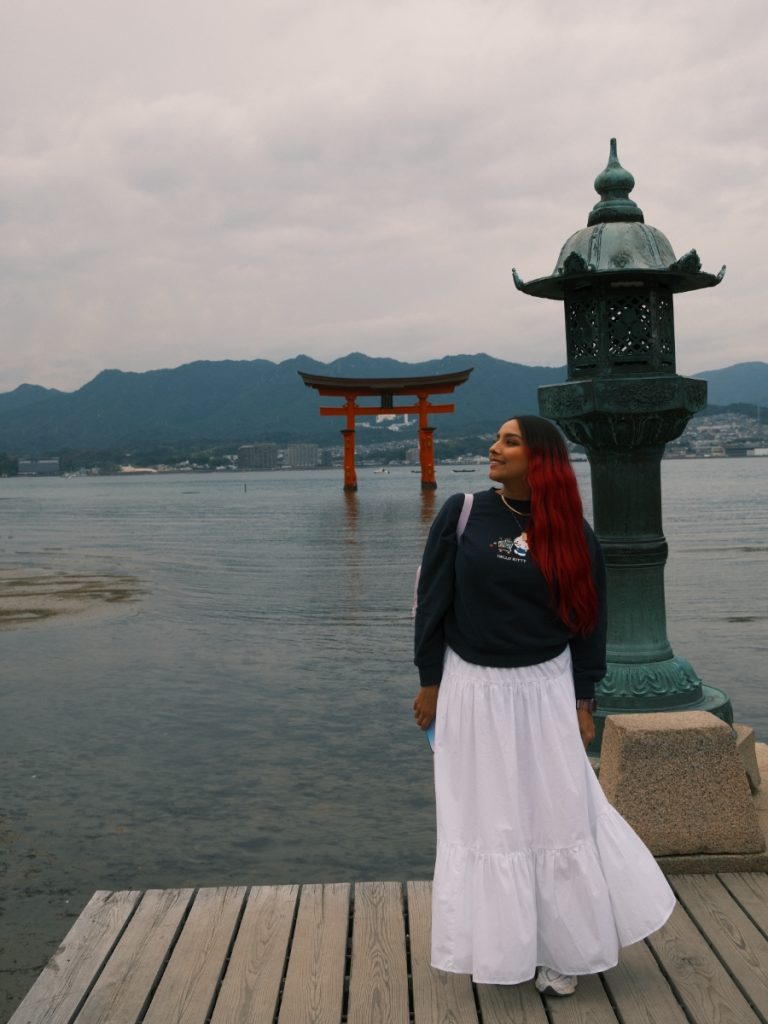
I’m gonna keep it short for you on what to wear in Japan.
If you’re traveling in spring or fall, bring layers because temperatures can fluctuate. Pack short and long sleeves with cardigans you can mix and match. Bring a light jacket to play it safe.
For summer, be prepared to sweat because summers are humid in Japan. Breathable fabrics will help you survive. Go for linen or cotton in the summer, and don’t forget your SPF. Late summer can be very rainy — bring a waterproof rain jacket and an umbrella.
Winter can vary depending on how far north or south you’re going. For winter, pack a lot of layers that’ll keep you warm but that you can also shed if it’s more mild. The north of Japan is colder and snowy during winter, so make sure your shoes are waterproof.
Don’t underestimate how quickly you’ll get to 15,000+ steps every day by walking in Japan. Walking is one of the best ways to explore cities like Tokyo and Kyoto. A good pair of walking shoes is super important to survive a trip to Japan. The last thing you want to do is cut your days short or be physically unable to enjoy these once-in-a-lifetime moments because your feet hurt.
I heavily relied on my New Balance 9060s to make it through, and these were the perfect shoes in my opinion. Yes, my feet were very tired by the end of the day, but it wasn’t unbearable. I was generally ready to go by the next morning after a good night’s rest.
I’ll never stop recommending New Balance 9060s as a go-to sneaker for all-day adventures. New Balance, please sponsor me.
Getting Your Connectivity Wrong
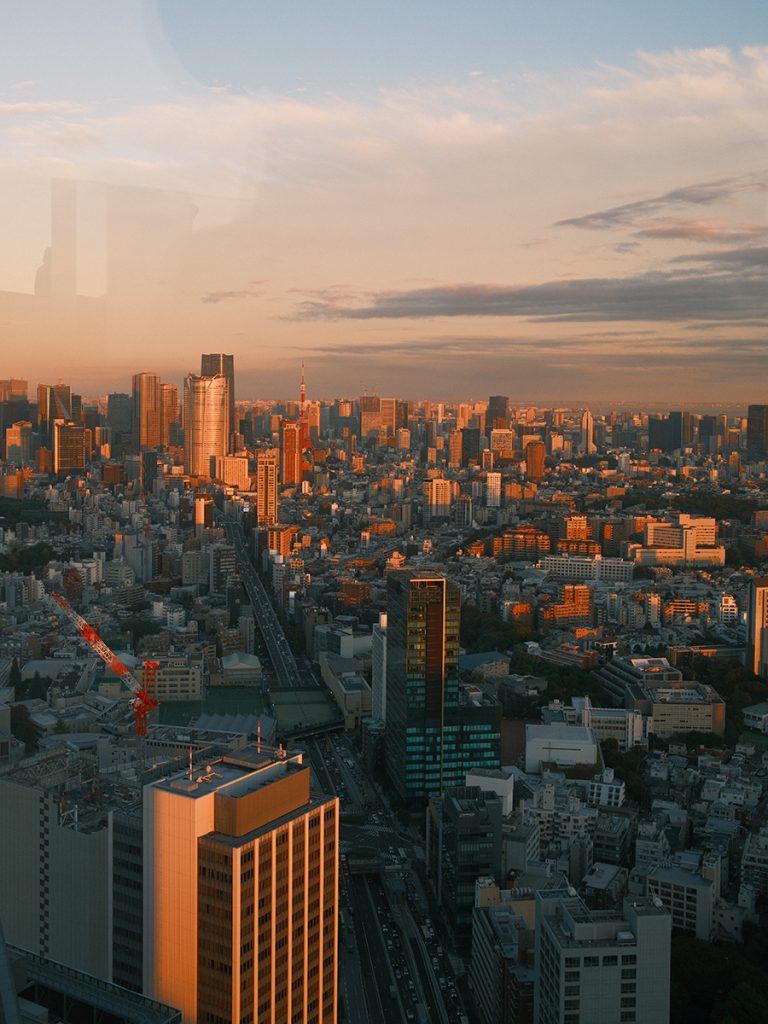
Staying connected while visiting Japan is important as a traveler. You have a few options to choose from: an eSIM, pocket Wi-Fi or an international data pass from your mobile carrier.
I recommend you get an eSIM vs. pocket Wi-Fi for Japan. I used Airalo (not sponsored) and it worked perfectly. I loved it because:
- I was connected as soon as I landed
- It was easy to set up and activate
- The prices are very affordable
- It’s available for many countries other than Japan
- The connection was consistent and reliable
Make sure to turn off data usage when not on Wi-Fi for apps like Facebook and Instagram or anything that uses data in the background when you’re in Japan — this will EAT UP your eSIM’s data really quickly.
If you don’t get an eSIM, your second-best option is checking out your mobile carrier’s options for international data passes. For example, T-Mobile offers international data passes for one day ($10), 10 days ($50) and 30 days ($75).
I’ve used T-Mobile’s international passes for Europe and they work perfectly. The connection is reliable and the cost just gets added to your next phone bill.
Compare the prices of eSIMs and your mobile carrier’s international data pass to decide which one works best for your budget and the length of your trip.
Not Carrying Your Passport With You All the Time
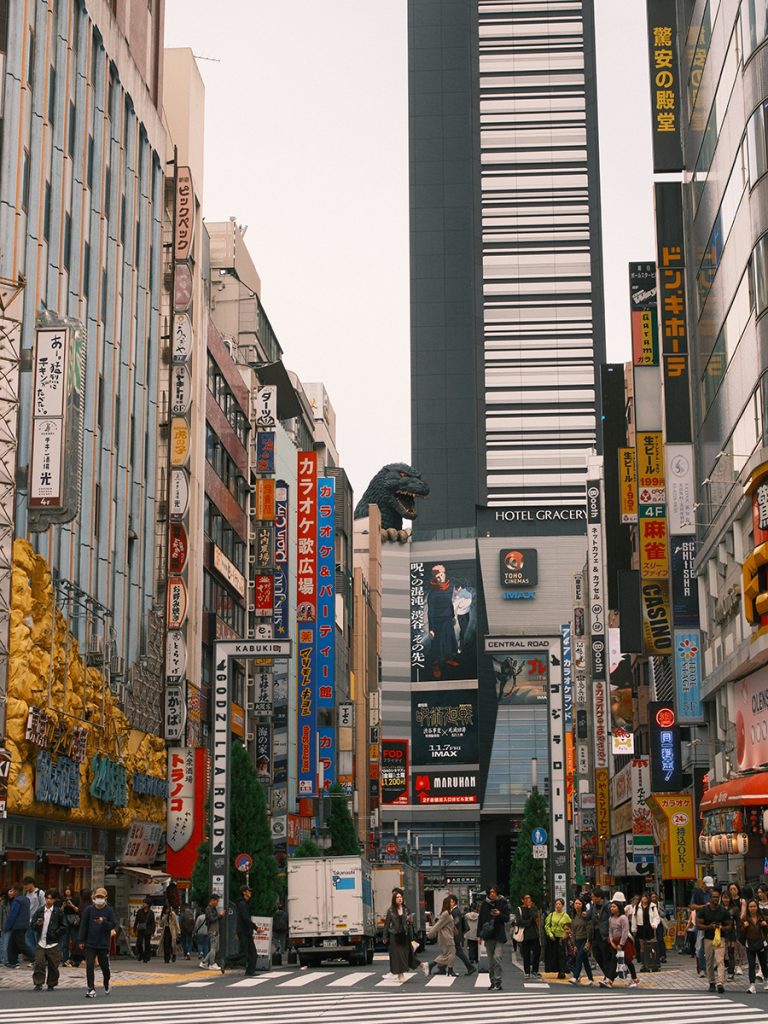
If you’re a foreign visitor in Japan, you’re legally required to carry your passport with you at all times. And it must be your original passport too — a copy won’t suffice.
This didn’t happen to me while I was in Japan, but the police may ask to see your identification at any point. Not having your passport on your person while traveling in Japan is against Japanese immigration law, and it could lead to detainment for questioning or arrest.
You should especially make sure to have your passport when traveling on the Shinkansen. Plus, you’ll need your passport for tax-free shopping in Japan.
As far as keeping your passport safe while traveling in Japan, exercise caution as you normally would. I carried my passport in a zippered compartment in my crossbody bag. You can also use a money belt or a neck passport holder.
Extra passport safety tips
- Keep a photo of it on your phone.
- Keep a printed copy in your luggage back at the hotel.
- Send a copy of it to a family member or friend back home.
- Put it in a Ziploc to protect it from getting wet if it rains.
- Don’t pull it out and parade it in public.
- Keep your bag in front of your body.
Not Packing a Portable Charger
You’ll likely be using your phone a lot in Japan for directions, using your Suica Card, Google Translate, taking photos and more, so it’s important you don’t run out of battery. The days tend to be long too as you probably won’t come back to your hotel until the end of the day.
Always pack a portable charger with you so you don’t have to worry about running out of battery. If you happen to forget to pack one, you can easily find and buy one in Japan.
Mindset Mistakes That’ll Ruin the Vibe
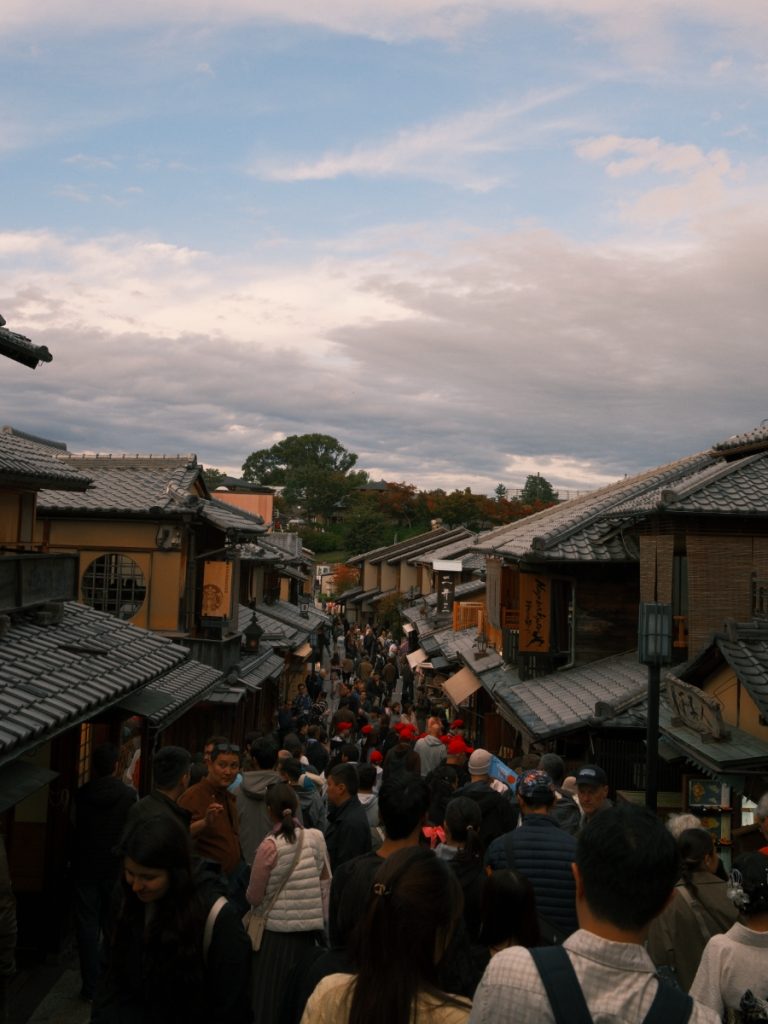
Traveling to Japan for the first time was such a bucket-list item for me. I researched and prepped for it and watched so many videos. But actually experiencing it and living it was so much better than anything I could have imagined.
One thing I would do differently for next time is set more relaxed expectations. If you don’t get to do everything you planned, it’s OK. Not trying every viral spot is more than OK. And if you see something you like in Japan, buy it.
Life’s too short and our trips are too short to not enjoy them. All of this simple advice will hopefully inspire or help you or anyone in their trips.
Letting TikTok Build Unrealistic Expectations


If there’s one Japan expectations vs. reality gap that is worth addressing, it’s the one TikTok creates.
Y’all, JapanTok had me overwhelmed when I was planning my trip. I had so many videos saved that I lost track of them. My advice here is to not let TikTok completely shape your itinerary or your expectations of Japan.
Yes, some reviews of restaurants ended up being accurate (Pizza Marumo for example), but other things ended up being underwhelming for me (Hatoya Matcha).
My biggest lesson learned here was to continue chasing genuine experiences vs. listening to TikTok. Japan is genuinely incredible — you WILL stumble upon absolutely delicious food, a perfect impromptu photo spot, and more if you let yourself wander.
The reality of Japan ended up being so much better than the expectations the internet created for me … which is probably ironic as I’m writing this. Hey, I’m just here to try to help. But you’ll ultimately need to make your own mind up about it.
Skipping Japan Because It Seems Too Complicated
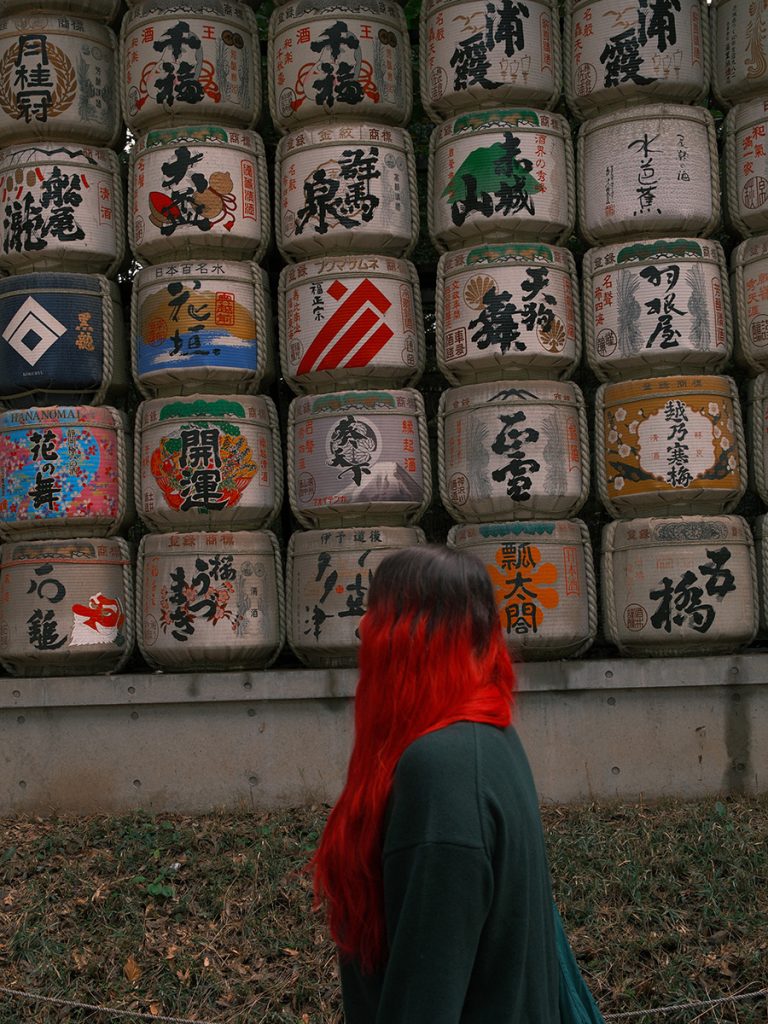
My trip to Japan truly, deeply changed me. Don’t be intimidated by the language barrier or how huge the subway stations are. And yes, there is also a lot of etiquette to learn before heading there. You’ll likely need to wait in some lines and deal with crowds. But the lived experiences that you’ll take with you from Japan will be priceless.
A trip to Japan warrants quite a bit of time for planning, organization and preparation. This is how I approached planning the itinerary for my first trip to Japan:
- Decide what time of year you want to visit. My preferred choices are late March, mid-to-late May or late October–early November.
- Determine how long your trip will be. Optimal is at least 14 days, but 10 or even eight full days lets you explore quite a bit.
- Pick which cities you want to visit. The Golden Route (Tokyo, Kyoto and Osaka) is a good starter, but there are so many good cities outside of that.
- Explore what your day trip options are. Tokyo and Osaka are good home bases for a lot of day trips.
- Set your non-negotiables per city and determine whether you need tickets or reservations ahead of time.
- Book everything as early as you can. If you see a good flight price, jump on it.
Don’t let the idea of planning a big trip, like Japan, ever stop you from going and seeing the world. I’m always available via Instagram DM to help you with trip planning if you’re totally stuck. I love planning trips and can help orient you in creating your own itinerary.
Not Leaving Room to Come Back
I’m gonna be very honest here — you likely won’t see everything in one trip to Japan. But that’s absolutely OK. It’s better to see as much as the time you’re there allows without over exhausting yourself.
There were some spots in Tokyo I didn’t get to the first time around that are still on my list for the next time. I’m also dying to see Naoshima Island, Hakone and Hokkaido. I needed more time in Kyoto. I could go on and on about everything I want to see in Japan.
Shift your mindset from “I HAVE to see everything” to maybe “I’ll fall in love and want to come back.” Maybe this is woo-woo, but I always try to think there’s going to be a next time. You gotta manifest that shit, y’all.
Final Thoughts: Go Anyway, Just Go Prepared
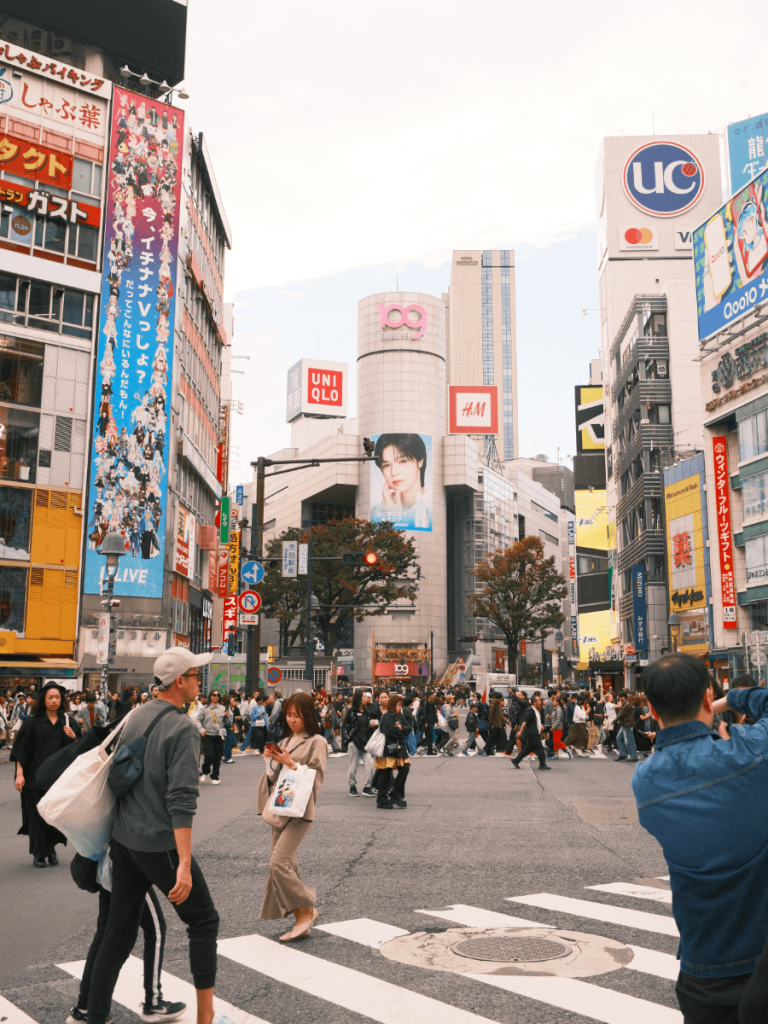
Is Japan worth visiting despite all of this? Without question! Every one of these Japan travel mistakes is totally fixable and none of them outweigh what the country gives you in return. With just a bit of prep using these Japan tips for first timers and planning, you’ll be on your merry way to an amazing trip to Japan.
Don’t get intimidated by anything you see online — including this post. Take the trip, always.
If you get stuck in planning your trip to Japan, I got you with my Japan transportation guide, a four-day Tokyo itinerary, memories from biking Lake Kawaguchiko and my two-week Japan itinerary.
Leave me a comment down below on what you’re most looking forward to seeing in Japan. I’m also always open to learning new things about Japan or getting new recommendations from you. Let’s be travel friends and bond over our love for this wondrous country Japan is.
And before I end this, I just want to give you a quick note that this post may contain affiliate links. At no extra cost to you, I may receive a small commission on reservations and purchases made through these links. This helps support this blog and you’re helping me continue tot provide all of these free tips and travel guides. Thank you from the bottom of my heart.


Leave a Reply